
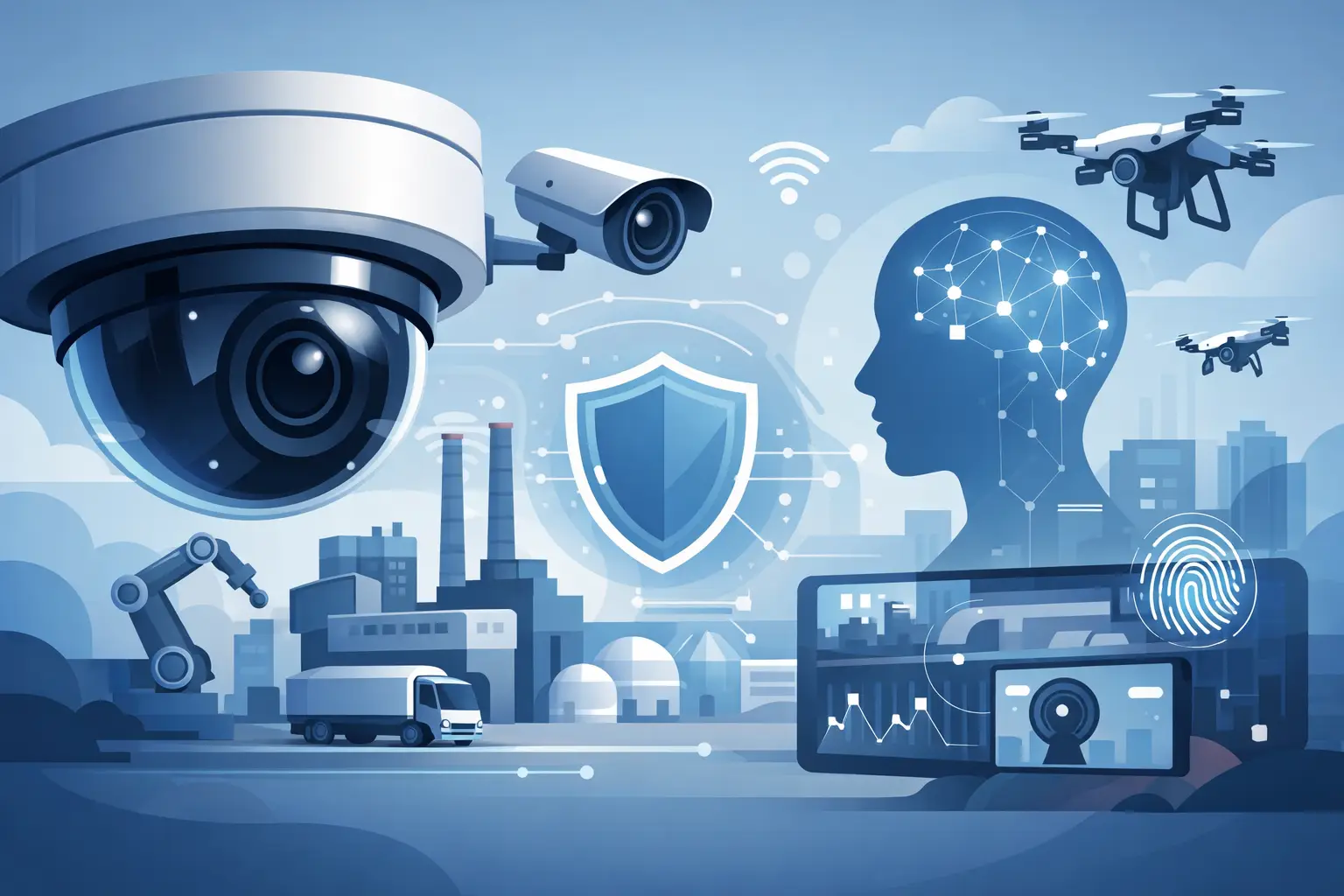
A refinery alarm is only useful if the right team sees the right image at the right time. That is why the future of industrial security cameras is not about adding more devices to a site. It is about building systems that detect earlier, verify faster, and keep performing in places where heat, corrosion, vibration, salt, gas, and distance punish ordinary equipment.
For industrial operators, this shift is already changing buying decisions. Procurement teams are no longer comparing cameras on resolution alone. They are looking at detection value, network reliability, hazardous area compliance, uptime, and whether a system reduces incident costs without adding operational friction. In oil and gas, marine, power, and chemical environments, that is the standard that matters.
What is shaping the future of industrial security cameras
The market is moving in a clear direction. Industrial cameras are becoming part of a wider detection and operational intelligence layer, not just a passive video feed. That means the strongest systems will combine imaging, analytics, environmental hardening, and remote access in one deployment strategy.
This matters because industrial sites have little patience for technology that looks impressive in a demo but struggles in the field. A camera on an offshore platform, refinery perimeter, loading terminal, turbine hall, or vessel deck has to deliver under pressure. If it cannot handle low visibility, unstable weather, explosive atmospheres, or long-range transmission demands, it becomes a maintenance issue instead of a security asset.
The next generation of industrial surveillance is being defined by performance in harsh conditions. Better low-light imaging, thermal visibility, gas detection integration, edge processing, and stronger cybersecurity are pushing cameras from simple observation tools into front-line operational infrastructure.
Smarter detection is replacing passive monitoring
Traditional monitoring depended heavily on operators watching banks of screens. That model is expensive and inconsistent, especially across large facilities with multiple critical zones. The future is more selective and more useful. Cameras are being deployed to identify motion patterns, intrusions, overheating equipment, restricted-area access, smoke behavior, and process abnormalities before they become larger incidents.
That does not mean every site needs the most advanced analytics package available. In some environments, a tightly configured system with dependable detection rules delivers better value than a feature-heavy platform that creates false alarms. The commercial advantage comes from matching analytics to real site risk. A marine operator may need deck visibility and perimeter awareness in changing weather, while a refinery may prioritize thermal verification and gas event response.
Why industrial buyers are prioritizing specialized hardware
General-purpose surveillance equipment rarely lasts in severe operating conditions. Industrial buyers know that enclosure quality, lens protection, temperature tolerance, ingress protection, explosion-proof design, and corrosion resistance directly affect lifetime cost. The camera is only as good as its ability to stay online.
That is why specialized hardware is becoming central to the future of industrial security cameras. Sites exposed to hydrocarbons, washdowns, salt spray, heavy vibration, or hazardous gases require products engineered for those conditions from the start. A lower upfront price can become a costly mistake if the equipment fails early, requires repeated service visits, or cannot meet compliance expectations.
In offshore and marine settings, for example, reliability depends on more than image quality. Operators need stable transmission, hardened housings, and equipment that resists moisture and corrosion over long service cycles. In chemical plants and energy facilities, environmental tolerance and safety certification can be the difference between a practical deployment and a system that procurement cannot justify.
Thermal and gas imaging will play a bigger role
One of the biggest changes ahead is the growing use of thermal and gas detection cameras as part of standard industrial surveillance planning. Visible imaging still has a major role, but many high-value industrial risks are not easily verified with standard video alone.
Thermal imaging helps teams spot heat anomalies, equipment stress, perimeter activity in darkness, and developing fire conditions. Gas leak detection cameras add another layer by helping operators identify emissions that cannot be seen with the naked eye. In oil, gas, and petrochemical environments, this is not just a security issue. It is tied to safety, environmental performance, and production continuity.
For many buyers, the trade-off is cost versus risk reduction. Advanced imaging products carry a higher initial investment, but that needs to be measured against unplanned shutdowns, inspection burdens, incident response delays, and regulatory exposure. When a system helps verify a leak faster or confirms an abnormal heat signature before escalation, the return becomes easier to defend.
Remote operations are changing camera system design
Industrial facilities are covering more ground with fewer people on site. Offshore assets, remote substations, terminals, vessels, and energy infrastructure increasingly depend on centralized monitoring and reliable remote access. As a result, the future of industrial security cameras is closely tied to network architecture.
A modern camera system must do more than record footage. It needs to transmit dependable live views, support playback when incidents occur, and maintain performance across bandwidth constraints and harsh operating environments. This is especially relevant in marine and offshore applications, where connectivity can fluctuate and physical access is expensive.
The strongest systems are designed with the network in mind from day one. That includes camera placement, onboard processing, compression efficiency, storage strategy, and integration with marine WiFi or industrial communications infrastructure. Buyers who treat cameras and networks as separate decisions often end up with weaker results.
Edge processing will reduce delay and bandwidth pressure
Sending every video stream back to a central location is not always practical. Edge processing is becoming more valuable because it allows cameras and field devices to analyze events locally and send only relevant data. That improves response times and reduces pressure on networks that support large or remote industrial estates.
This does not remove the need for central oversight. Instead, it makes surveillance systems more efficient. A camera can flag a perimeter breach, equipment anomaly, or detection event immediately, while still supporting recording and remote review. For operations managers, that means faster visibility without wasting resources on unnecessary data traffic.
Cybersecurity is now part of the purchase decision
Industrial camera systems are networked assets, which means they must be secured as seriously as any other operational technology component. The future buyer is not only asking what the camera can see. They are asking how the device authenticates, how data is protected, how firmware is managed, and whether remote access introduces risk.
This is especially important in energy, marine, and critical infrastructure sectors, where surveillance platforms can connect to wider operational environments. A weak device can create an unnecessary exposure point. That is why procurement teams are paying closer attention to user controls, segmentation, update policies, and vendor support quality.
A technically strong supplier stands out here. Product performance matters, but post-sale support, integration guidance, and lifecycle planning matter too. Buyers are looking for dependable security infrastructure, not a box-drop transaction.
What buyers should expect from the next generation
The next phase of the market will favor systems that are specialized, integrated, and commercially defensible. Not every facility needs the same camera mix, and that is exactly the point. A vessel operator, refinery superintendent, and power station manager may all need surveillance, but their operational priorities are different.
The best approach is to start with use case and environment. Are you protecting a perimeter, monitoring process risk, verifying gas events, watching underwater structures, or extending remote visibility across a marine network? Once that is clear, the right combination of fixed cameras, thermal units, gas detection imaging, recording platforms, playback access, and network support becomes easier to specify.
For serious industrial buyers, future-ready does not mean chasing every new feature. It means investing in equipment that works where standard systems fail, supports faster decisions, and holds up under real operating pressure. That is where top-of-the-line offers create actual savings – fewer failures, fewer blind spots, and fewer costly delays during critical events.
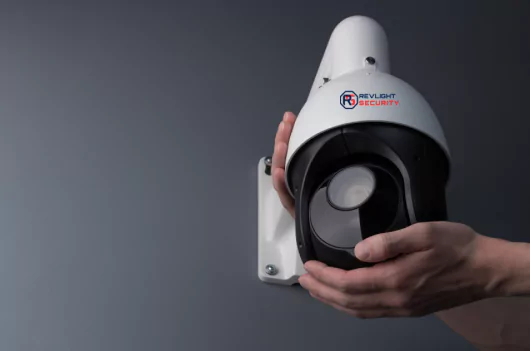
Revlight Security operates in exactly this space, where industrial surveillance is expected to perform under extreme environmental and operational demands. The companies that move early on specialized detection, hardened camera infrastructure, and reliable remote visibility will be better positioned to protect assets, support compliance, and keep operations moving.
The smartest investment over the next few years will not be the camera with the longest feature sheet. It will be the system that gives your team clear evidence, faster response, and dependable uptime when the site is at its most demanding.
🛡️ Secure Your Home or Business Today
Protect your home, office, shop, or business with reliable CCTV security cameras. Explore our range of CCTV cameras and find the right security solution for your needs.
Explore CCTV Cameras ✉️ Email Us

 Singapore :
+65-6708-9302
Singapore :
+65-6708-9302