
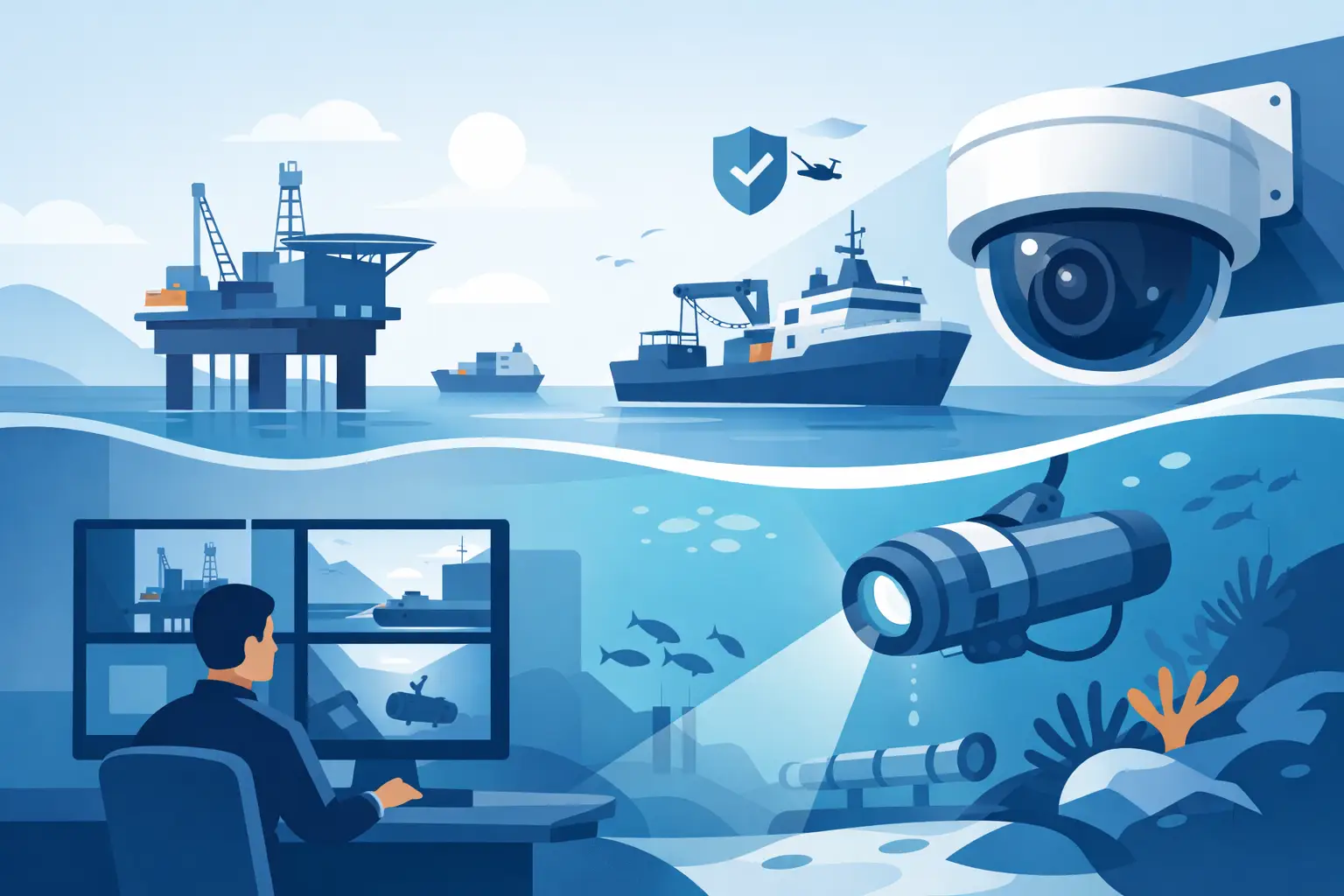
A camera spec can look perfect on paper, then fail the moment a class surveyor asks for certification. That is usually when buyers start asking, when are DNV cameras required, and the answer is not as simple as saying always or never. In marine and offshore projects, the requirement depends on where the camera is installed, what function it supports, how the vessel or asset is classed, and whether the owner, yard, or insurer has made approval part of the package.
For procurement teams and technical managers, this matters because getting it wrong creates avoidable cost. A non-approved unit may be acceptable for general monitoring in one area, while the same style of camera becomes a problem if it is tied to safety, navigation support, machinery observation, or critical offshore operations. The real decision point is not just product quality. It is whether the installation falls inside a class, flag, or project approval framework.
When are DNV cameras required in practice?
DNV cameras are typically required when the camera system is being installed on a DNV-classed vessel, offshore platform, or marine asset and the system forms part of an approved onboard or offshore installation. That often applies when cameras are connected to operationally important functions rather than casual observation.
A good example is machinery space monitoring. If cameras are installed to support remote viewing of engine room conditions, unmanned machinery space operation, or alarm verification, approval can become necessary. The same is true for systems used around helidecks, hazardous process zones, cargo operations, drilling areas, or other environments where equipment selection is closely controlled.
It also depends on the project specification. Some shipowners and EPC contractors require DNV-approved cameras across a broader part of the vessel or platform than the class rules strictly demand. They do this to standardize procurement, reduce approval friction, and avoid disputes during inspection. In those cases, DNV approval becomes a commercial requirement even if the camera is not individually mandated by a rule paragraph.
What DNV approval actually means
DNV approval is not just a marketing label. It generally indicates that the equipment has been reviewed or certified for use in relevant marine or offshore conditions under a defined framework. That can include environmental testing, vibration resistance, temperature performance, EMC behavior, enclosure protection, and suitability for installation in demanding operating conditions.
For buyers, this matters because marine and offshore surveillance equipment does not operate in a clean office environment. Salt exposure, constant vibration, humidity, temperature swings, and electrical noise can damage ordinary hardware quickly. A DNV-approved camera gives stronger evidence that the unit was built and assessed for that reality.
That said, buyers should avoid assuming that DNV approval alone covers everything. A camera may be DNV approved, but if it also needs hazardous area certification for explosive gas environments, that is a separate requirement. In refinery-adjacent marine operations and offshore energy applications, these layers often overlap.
The difference between recommended and required
This is where many specifications get blurred. In many projects, a DNV camera is strongly recommended because it reduces risk, supports asset longevity, and makes approvals easier. That is not the same as being strictly required by class.
Required usually means one of four things. The class rules call for approved equipment for that application. The vessel or unit is being built or upgraded under a specification that names DNV-approved equipment. The yard or owner has imposed it as a contractual condition. Or the authority reviewing the installation expects documented compliance as part of acceptance.
Recommended means the system could technically be installed without DNV approval, but the buyer would be taking on more approval uncertainty and potentially lower lifecycle performance. For critical fleets and offshore operators, that trade-off is rarely attractive.
Where DNV camera requirements come up most often
The highest likelihood of a DNV requirement is in marine and offshore installations where failure has operational consequences. Engine rooms, control spaces, exposed deck positions, cargo monitoring zones, offshore platform process areas, and mast or perimeter systems on classed assets are common examples.
Bridge-related monitoring can also trigger closer scrutiny, especially when surveillance supports situational awareness, docking visibility, or operational decision-making. Not every bridge-view camera will require DNV approval, but if it is embedded into a formal operational system, approval expectations rise quickly.
On offshore units, the bar is often higher. Equipment exposed to severe weather, corrosive environments, and round-the-clock operational loads is more likely to be specified with class-recognized approvals from the start. Operators want fewer surprises at commissioning and fewer replacements after deployment.
When DNV cameras may not be required
There are also clear scenarios where DNV cameras may not be mandatory. A standalone monitoring camera in a non-critical interior area, used only for convenience or general security on a vessel, may not need DNV approval. The same can apply to some temporary installations, welfare-area monitoring, or non-classed assets where class compliance is not part of the project scope.
But even here, there is an important commercial question. If the vessel operates globally, changes owner, undergoes later modification, or needs to pass a stricter review in the future, using non-approved equipment can become a false economy. Lower upfront pricing is attractive until retrofit costs, re-documentation, and downtime appear.
For that reason, many experienced buyers choose DNV-approved cameras beyond the bare minimum. It gives them a stronger position across fleet standardization, maintenance planning, and resale value.
How to verify whether DNV cameras are required
The fastest route is to check the project documents before issuing RFQs. Review the class notation, vessel specification, owner standards, shipyard documentation, and any functional description for the surveillance system. If the camera is tied to a monitored operation, ask whether the system is informational only or part of an approved function.
You also need to confirm whether the camera itself needs approval, or whether the complete assembled system is being assessed. That distinction matters. In some projects, individual hardware certificates are requested. In others, integration, mounting method, power arrangement, and network architecture are reviewed as part of the whole package.
Procurement teams should also ask for the exact approval basis rather than vague claims. “Marine grade” is not the same as DNV approved. “Suitable for offshore” is not the same as documented compliance. Serious suppliers provide certificates, test references, and model-specific documentation, not generic sales language.
Choosing the right camera if DNV applies
If DNV approval is required, the camera still has to match the real operating environment. Buyers should focus on housing material, corrosion resistance, low-light performance, network compatibility, power requirements, lens suitability, and maintainability. A certified camera that cannot deliver the required image quality or survive the actual mounting position is still the wrong buy.
This is especially true in offshore and marine sectors where visibility conditions are difficult. Spray, darkness, vibration, glare, and weather all affect performance. A compliant unit needs to do more than pass paperwork. It needs to deliver usable video for operations, recording, playback, remote access, and incident review.
In hazardous or gas-exposed areas, buyers should align DNV expectations with explosion protection requirements from the start. Trying to solve those separately often slows projects and narrows equipment choices late in the process.
Why experienced buyers specify DNV early
The best time to address DNV camera requirements is at the beginning of system design, not after equipment arrives on site. Early specification protects schedules, shortens technical clarifications, and keeps survey interactions under control. It also gives engineering teams freedom to build around known compliant hardware instead of scrambling for substitutions.
For commercial buyers, there is another advantage. Early alignment makes pricing more realistic. Approved marine and offshore surveillance products are not bargain hardware, but they are often the lower-cost option over the full asset life. Better durability, fewer replacement cycles, and smoother project acceptance usually outweigh the initial premium.
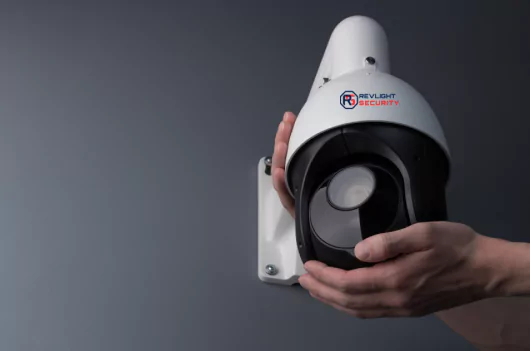
That is why many industrial operators work with specialist suppliers such as Revlight Security when class-related surveillance questions come up. The value is not just product access. It is getting clear answers on approval fit, environment fit, and deployment fit before expensive mistakes are locked in.
If you are asking when are DNV cameras required, the safest answer is this: they are required whenever class, contract, or operational criticality brings the surveillance system into the compliance path. If there is any doubt, treat approval as a design question, not a purchasing afterthought. That approach protects your budget, your timeline, and the performance of the system long after installation.
🛡️ Secure Your Home or Business Today
Protect your home, office, shop, or business with reliable CCTV security cameras. Explore our range of CCTV cameras and find the right security solution for your needs.
Explore CCTV Cameras ✉️ Email Us

 Singapore :
+65-6708-9302
Singapore :
+65-6708-9302