

An engine room is one of the hardest places on a vessel to monitor properly. Heat, vibration, oil mist, tight machinery spaces, and inconsistent lighting can turn an ordinary surveillance setup into a maintenance problem fast. That is why choosing the best cameras for ship engine rooms is less about headline resolution and more about survivability, visibility, and reliable integration with the vessel’s wider monitoring network.
For procurement teams and marine operators, the buying decision usually comes down to a few practical questions. Will the camera hold up in a hot, dirty environment? Can it produce usable footage around rotating equipment, ladders, control panels, and escape routes? Will the system support recording, playback, and remote viewing without creating another weak point in onboard infrastructure? Those are the questions that matter.
What makes the best cameras for ship engine rooms different
Ship engine rooms are not standard indoor spaces. They combine high ambient temperatures with vibration from main and auxiliary machinery, airborne contaminants, and the constant risk of washdown or moisture ingress. A camera that performs well in a warehouse or office corridor often fails early in this setting.
The best cameras for ship engine rooms are built around industrial-grade housings, strong ingress protection, stable image performance under poor lighting, and compatibility with marine network environments. Stainless steel or corrosion-resistant housings are often the right choice, especially where salt exposure or aggressive cleaning routines are part of normal operation. Shock and vibration resistance also deserves far more attention than buyers usually give it.
A second difference is camera purpose. In an engine room, surveillance is not only about security. It supports operational oversight, incident review, machinery-space awareness, unmanned watch strategies on suitable vessels, and faster response when alarms occur. That means the right camera is one that gives clear, actionable visibility, not just a nice spec sheet.
The 7 best camera types for ship engine rooms
1. Fixed marine-grade dome cameras
A fixed dome camera is often the first choice for general engine room coverage. It works well above walkways, near access points, and in machinery spaces where a protected, compact form factor matters. A good marine-grade dome offers a vandal-resistant housing, solid ingress protection, and dependable image quality in mixed lighting.
This is usually the best fit when you need broad-area monitoring with minimal operator input. It is also a commercially efficient option because fixed domes are easier to deploy in quantity across multiple compartments. The trade-off is straightforward – once installed, the field of view is limited to that position, so planning matters.
2. Bullet cameras for long machinery aisles
Where you need a longer view down a passage, equipment line, or machinery aisle, bullet cameras can be a stronger option than domes. Their shape often supports better lensing for distance and can make them easier to aim with precision during commissioning.
In ship engine rooms, the key is not the bullet form itself but the housing standard. Buyers should look for industrial or marine-rated models with strong sealing, dependable heat tolerance, and stable mounts that can resist vibration. If the mounting point is exposed to frequent washdown or direct contaminant buildup, the housing quality becomes decisive.
3. Low-light network cameras
Engine rooms rarely offer perfect lighting across every zone. Shadows around generators, pumps, valves, and ladder wells can reduce image usability fast. A strong low-light IP camera helps maintain scene detail without forcing constant lighting upgrades.
This camera type is especially valuable for vessels that rely on overnight monitoring, reduced manning in certain periods, or remote review from the bridge or control room. Very high resolution is useful, but only if the sensor can still perform in difficult light. In many engine room settings, a balanced low-light camera will outperform a higher-resolution model with weaker sensor performance.
4. Thermal cameras for heat-critical awareness
Thermal imaging is not a replacement for standard visual surveillance, but it can be a major advantage in selected engine room applications. It helps operators identify abnormal heat signatures on equipment, detect hotspots, and gain visibility where smoke, haze, or darkness may limit conventional cameras.
This is one of the more specialized options, so the value depends on the vessel and operating profile. For high-value assets, critical machinery zones, or operations where early heat anomaly detection supports downtime reduction, thermal cameras can justify the investment quickly. The trade-off is that thermal imagery does not provide the same level of visual detail for identification and procedural review, so it works best as part of a layered system.
5. Explosion-protected cameras for hazardous zones
Not every engine room requires explosion-protected equipment, but some adjacent areas, fuel-handling zones, and vessel-specific environments do. In these cases, standard marine cameras are not enough. You need certified hazardous-area cameras designed for the classification of the location.
This is a specification area where shortcuts create risk, delay approvals, and increase total cost later. If the area calls for explosion-proof or ex-rated equipment, the camera should be selected accordingly from the start. For industrial buyers, this is about compliance as much as surveillance performance.
6. PTZ cameras for large engine spaces
On larger vessels or in machinery rooms with multiple levels, a PTZ camera can provide broader situational awareness than several fixed units alone. Pan, tilt, and zoom control allows operators to check a triggered alarm area, inspect a machinery section, or verify personnel movement without sending someone immediately into the space.
PTZ cameras are most effective where active monitoring is part of operations. If no one will use the movement and zoom features, the extra spend may not be justified. They also add mechanical complexity, so build quality matters even more in high-vibration settings.
7. Stainless steel washdown-ready cameras
In engine rooms with aggressive cleaning routines, oil contamination, humidity, and long service expectations, stainless steel cameras deserve serious consideration. These units are designed for harsh industrial environments and are often the strongest option for durability and lifecycle value.
They tend to cost more upfront, but for buyers focused on reduced replacement frequency and stronger environmental resistance, the commercial case is often solid. A lower-priced unit that fails early is rarely the bargain it first appears to be.
Key buying criteria before you shortlist suppliers
The right camera category is only half the decision. The specification details determine whether the system actually performs at sea.
Temperature rating should be checked first. Engine room heat loads vary by vessel design, ventilation performance, and installation point. A camera mounted near a ceiling, exhaust path, or enclosed machinery recess may face much tougher conditions than one spec sheet assumption suggests.
Ingress protection is next. Oil mist, spray, dust, and washdown exposure can shorten service life quickly. IP66 is a common starting point, but in harsher areas buyers may need higher protection and stronger housing materials.
Vibration resistance matters just as much. If the image blurs under machinery vibration or the mount loosens over time, the camera stops being useful. Marine buyers should ask direct questions about shock, vibration tolerance, and mounting options, not just resolution.
Network compatibility should also be treated as a core requirement. Most operators now expect recording, playback, and remote access across onboard systems. IP-based cameras simplify expansion and support integration with NVR platforms, vessel networks, and shoreside review where permitted. Bandwidth planning still matters, especially on vessels where connectivity is limited or prioritized for operations.
Cybersecurity is no longer optional. Default passwords, unpatched firmware, and poorly managed remote access expose more than a video feed. For any engine room deployment, the camera should be part of a controlled security architecture rather than an isolated device added late in the project.
Choosing the right setup for your vessel
There is no single winner for every engine room. A small commercial vessel may get the best value from a straightforward fixed-camera layout with reliable recording and remote playback. A large offshore support vessel or tanker may need a mix of fixed domes, long-view bullets, and thermal coverage for selected machinery risks.
That is why experienced buyers look at coverage goals first. If the priority is personnel safety and incident review, camera placement around access routes, ladders, and control stations is the starting point. If the priority is operational awareness, then key equipment lines, pump areas, and alarm-related zones deserve stronger attention.
Commercially, the best result usually comes from buying for lifecycle performance rather than headline price. Proven marine durability, clean integration, and support for the required recording and viewing functions will save more than a low entry cost ever will. Suppliers with real industrial surveillance experience can usually spot weak points in a proposed layout before those problems become service calls.
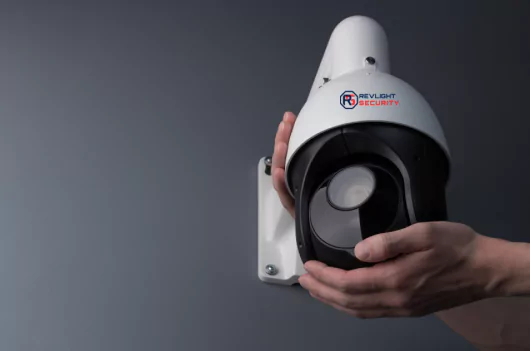
For marine operators that need dependable monitoring in punishing environments, this is where a specialist supplier makes the difference. Companies such as Revlight Security focus on surveillance hardware built for harsh industrial and marine conditions, which is exactly the standard engine room projects demand.
A good engine room camera should fade into the background while the footage stays available when you need it most. Buy for the environment first, the operational outcome second, and the price tag third.
🛡️ Secure Your Home or Business Today
Protect your home, office, shop, or business with reliable CCTV security cameras. Explore our range of CCTV cameras and find the right security solution for your needs.
Explore CCTV Cameras ✉️ Email Us



 Singapore :
+65-6708-9302
Singapore :
+65-6708-9302