
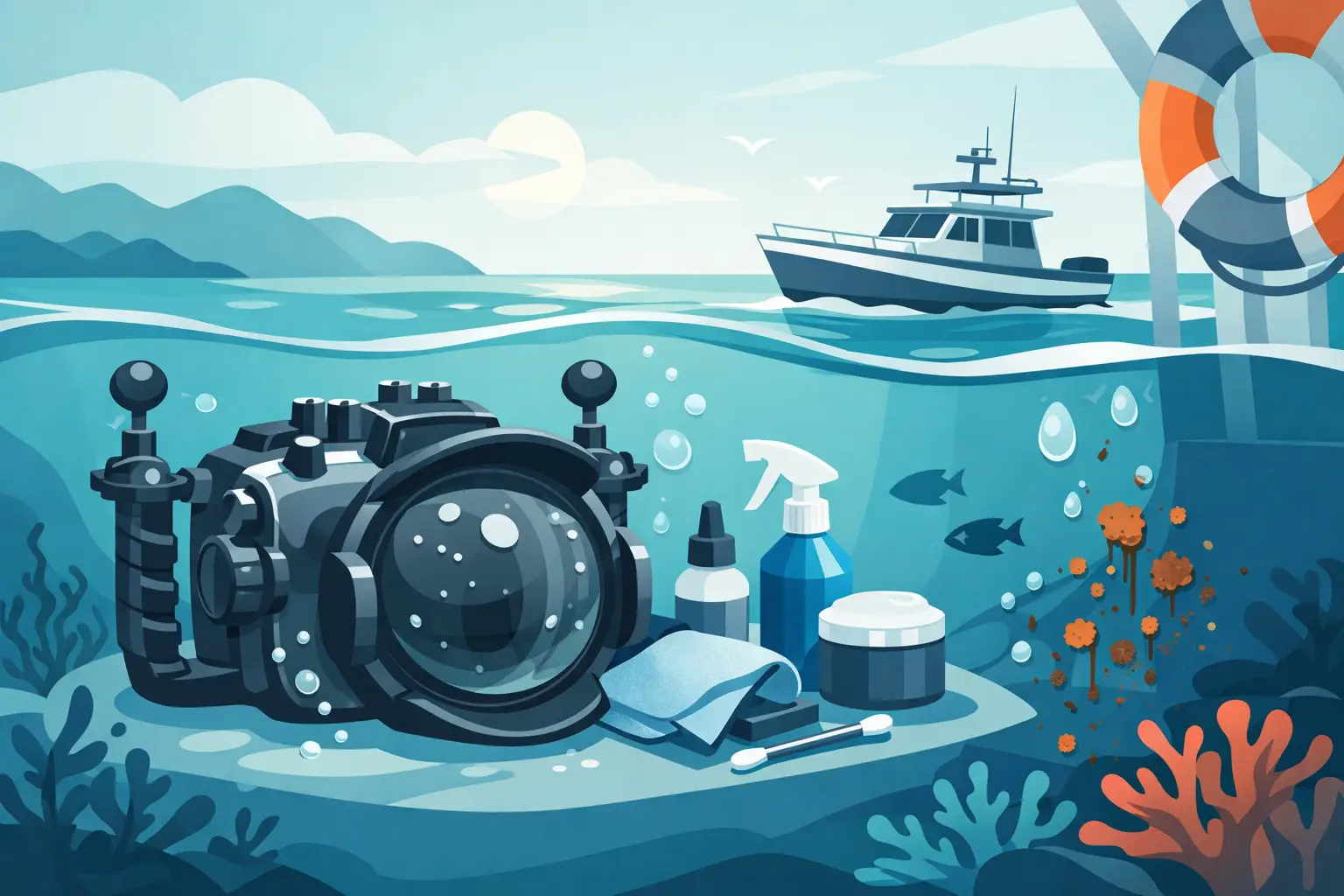
Salt spray does not need a direct path into a camera to cause failure. It settles on housings, cable glands, mounting brackets, connectors, and fasteners, then draws moisture from the air. On a vessel, offshore platform, terminal, or coastal process site, that contamination can steadily compromise image quality, network availability, and the integrity of the surveillance system. To prevent marine camera corrosion, buyers need to evaluate the complete installation, not only the camera specification.
A corrosion-resistant camera body is a starting point, not a complete solution. The weak point is often the connection between components: a dissimilar-metal bracket, an incorrectly tightened gland, a damaged gasket, or an exposed service loop. A reliable marine surveillance deployment is built around materials, enclosure integrity, installation discipline, and planned maintenance.
Why Marine Surveillance Equipment Corrodes
Marine corrosion is driven by chloride exposure, moisture, oxygen, temperature changes, and electrical activity. Saltwater and salt-laden air are highly conductive. When they remain on metal surfaces, they accelerate electrochemical reactions that consume protective coatings and attack unprotected hardware.
The risk varies by location. Cameras mounted near a bow, helideck, exhaust outlet, washdown area, or open loading deck receive frequent salt spray and may also face vibration and impact. Equipment installed inside a protected wheelhouse or enclosed process area sees less direct exposure, but condensation can still form when temperatures change quickly.
Galvanic corrosion is another common problem. It occurs when dissimilar metals are connected in the presence of an electrolyte such as saltwater. For example, a stainless steel camera enclosure mounted directly to an unsuitable aluminum support can create a corrosion cell. The bracket or fastener may deteriorate before the camera housing shows obvious damage.
Electrical leakage and poor grounding can make conditions worse. Stray current corrosion can damage metal components at a much faster rate than ordinary atmospheric corrosion. This is why surveillance equipment must be treated as part of the vessel or facility electrical system, not as an isolated accessory.
Specify the Right Camera Housing and Materials
The first procurement decision is selecting a camera assembly designed for the actual exposure zone. An enclosure rated for general outdoor use may not deliver acceptable service life in continuous salt fog, offshore washdown, or high-humidity engine-adjacent areas.
Look for corrosion-resistant housing materials such as marine-grade stainless steel or properly protected aluminum alloy. Stainless steel is not automatically immune to corrosion. Grade selection, surface finish, fabrication quality, and ongoing salt removal all affect performance. In especially aggressive offshore areas, 316 stainless steel is commonly preferred over lower-grade alternatives because of its improved chloride resistance.
Coatings matter as much as the base metal. A quality powder coating or marine coating system helps protect aluminum and steel surfaces, but a scratched, chipped, or poorly prepared coating creates an entry point for corrosion. Specify equipment with a finish suitable for saltwater exposure and inspect every housing before installation. A new enclosure with damaged paint should not be placed into service without correction.
Ingress protection is equally important. Select an IP-rated camera housing appropriate for water jets, wind-driven rain, airborne salt, and washdown procedures. IP66 and IP67 are often considered for exposed marine applications, but the appropriate rating depends on the mounting location and cleaning method. A high IP rating does not compensate for poor cable entry, damaged seals, or an enclosure opened carelessly during commissioning.
Where hazardous-area certification is required, corrosion protection and compliance must work together. Do not improvise replacement glands, bolts, viewing windows, or covers that compromise the certified assembly. The lowest upfront-cost substitute can create a far more expensive inspection, downtime, and safety issue later.
Prevent Marine Camera Corrosion at Every Connection
Most camera failures begin at interfaces. The camera housing may be in excellent condition while the mount, cable gland, connector, or junction box is already degraded. Specify the installation as one engineered package.
Use compatible fasteners, brackets, washers, and isolators. Where dissimilar metals cannot be avoided, electrically isolate them with approved nonconductive washers, sleeves, or barrier materials. This reduces galvanic activity while maintaining a secure mechanical installation. The isolation material must be suitable for ultraviolet exposure, vibration, temperature range, and the required load.
Cable management deserves close attention. Cables should enter from below where practical, with a drip loop that prevents water from tracking directly into a gland or connector. Use marine-rated glands sized correctly for the cable diameter. An oversized gland may appear tight while leaving a path for moisture; an overtightened one can damage the cable jacket and seal.
Avoid exposed connector joins in splash zones. Where field termination is unavoidable, use rated junction boxes and protected connections with proper strain relief. Ethernet and power connections must remain dry, sealed, and accessible for inspection. Corroded contacts can produce intermittent video loss that is often mistaken for a network or software problem.
Grounding and bonding should follow the vessel, platform, or facility electrical design. Do not rely on a mounting bracket as the only grounding path. A qualified installer should verify continuity, protective earth connections, surge protection, and separation from sources of electrical interference. This is especially relevant for long cable runs, elevated masts, and exposed deck installations.
Installation Details That Protect Service Life
Positioning affects corrosion rate and maintenance cost. A camera with a clear operational view may still be poorly located if it sits directly under an exhaust plume, beside a discharge point, or in the path of routine high-pressure washdown. Before finalizing a location, assess exposure from wind direction, wave action, vessel movement, chemical vapors, vibration, and nearby maintenance activity.
Mount the camera so water drains away from the housing and bracket rather than collecting in pockets. Horizontal surfaces, recessed fasteners, and unsealed bracket channels can trap contaminated water. A small change in bracket angle can materially improve drainage and reduce the time salt remains on the equipment.
Do not defeat factory seals by opening the enclosure unnecessarily. If a housing must be opened for setup or service, clean the sealing surfaces, inspect the gasket for compression damage or contamination, and tighten fasteners to the manufacturer’s specified pattern and torque. A twisted gasket or pinched cable can turn a high-rated housing into a moisture trap.
Commissioning should include more than a video test. Inspect all glands, connectors, fasteners, brackets, grounding points, and field junctions. Confirm that the camera provides the required image at day and night, then document the installation with photographs and a location-specific maintenance record. That record makes later corrosion inspections faster and more consistent.
Build Maintenance Into the Surveillance Plan
Even the best enclosure requires maintenance in a marine environment. Salt deposits reduce heat dissipation, obscure viewing windows, degrade coatings, and hold moisture against metal. Waiting until video quality drops or a bracket shows visible rust is too late.
Set inspection intervals according to exposure. Cameras in protected areas may only need periodic checks, while equipment on weather decks, offshore structures, and coastal terminals may need frequent cleaning and visual inspection. The interval should also reflect operating conditions. Heavy seas, storms, seasonal salt fog, washdown schedules, and nearby industrial emissions all increase the need for attention.
A practical inspection program should cover four areas:
- Clean the housing and viewing window with approved fresh water and nonabrasive materials, then remove residue without damaging coatings or seals.
- Check for coating chips, pitting, rust staining, white oxidation, cracked glands, loose fasteners, and water trapped around mounts.
- Verify image clarity, infrared performance where fitted, network stability, recording availability, and remote access from the control location.
- Inspect cable jackets, junction boxes, grounding connections, and surge protection for deterioration or signs of moisture entry.
Do not use aggressive cleaners, metal brushes, or incompatible solvents on coated housings and optical windows. They can damage protective finishes or leave films that affect image quality. When corrosion is found, identify the cause before replacing the affected part. Replacing a bracket without correcting incompatible metals, drainage, or coating damage only repeats the failure cycle.
Procurement Questions That Reduce Replacement Costs
For procurement teams, the most useful question is not simply whether a camera is marine rated. Ask where it will be installed, what it will be exposed to, how it will be mounted, and who will maintain it. These answers determine the correct enclosure, mounting hardware, cable system, and service plan.
Request clear information on housing material, coating system, IP rating, operating temperature, salt-fog testing where available, compatible mounting options, gland specifications, and recommended maintenance. Confirm whether accessories use the same corrosion-resistance standard as the camera itself. A top-of-the-line camera paired with low-grade hardware is not a top-of-the-line installation.
For complex sites, standardize approved camera assemblies by exposure zone. A protected interior location, an external deck, a splash-zone structure, and a hazardous process area may each need a different configuration. Standardization improves spare-part planning, speeds repairs, and gives engineers confidence that replacement equipment will fit the established mounting and network design.
A marine camera system earns its value by staying available when operators need visual confirmation most. Specify the complete assembly carefully, install it with discipline, and maintain it before salt contamination becomes a failure event. Revlight Security can help buyers match surveillance hardware to the exposure conditions that determine long-term performance.
🛡️ Secure Your Home or Business Today
Protect your home, office, shop, or business with reliable CCTV security cameras. Explore our range of CCTV cameras and find the right security solution for your needs.
Explore CCTV Cameras ✉️ Email Us



 Singapore :
+65-6708-9302
Singapore :
+65-6708-9302