
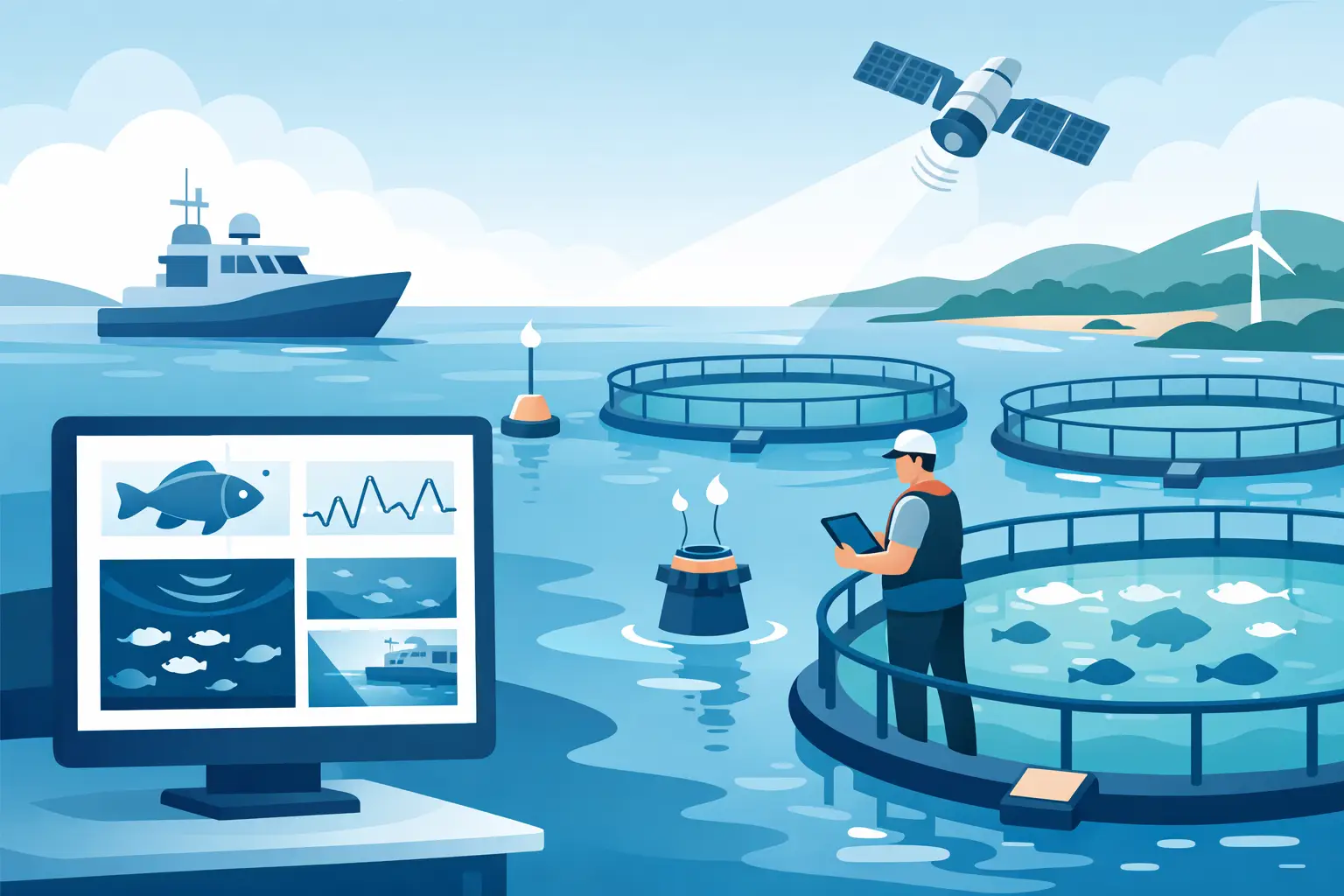
A pen can look calm from the workboat while conditions below the surface are moving against the stock. Feed can drift out of reach, a net can deform, predators can test a weak point, and fish behavior can change long before it becomes visible at the surface. Knowing how to monitor aquaculture pens means building a surveillance process that gives operators usable evidence, not simply more video.
For commercial farms, the objective is clear: protect biomass, reduce loss events, verify operations, and give managers a defensible record of what happened. The best monitoring setup combines fixed visual coverage, reliable communications, defined alarm procedures, and disciplined review by people who understand the site.
Start With the Risks Inside Each Pen
Do not begin by selecting equipment. Begin with the events your operation must detect, document, or prevent. A salmon site in exposed water has different priorities from a nearshore tilapia operation, but both need visibility where a simple surface inspection falls short.
Underwater visibility is often required around feeding zones, net walls, mooring connections, and areas where fish gather. Surface coverage helps verify vessel movements, work activity, access points, weather exposure, and potential unauthorized approach. The system should also support investigation after an incident, because live viewing alone does not provide evidence when a manager needs to review a suspected breach or stock-loss event.
A practical risk assessment should establish what needs to be seen, how quickly it must be seen, and who is responsible for responding. For example, a suspected net tear may require immediate operator notification and recorded footage that can be reviewed by site management. Routine feeding observations may only need scheduled checks and recordings retained for operational analysis.
Build Visual Coverage Around Critical Zones
A single viewing point rarely provides meaningful pen oversight. Water clarity, currents, fish density, and pen geometry all affect what an operator can see. Coverage should be designed around operational decisions rather than installed for appearance.
Monitor Feeding Behavior Below the Surface
An underwater surveillance unit positioned near the feeding area lets teams assess fish distribution and appetite in real time. Operators can see whether feed is reaching the intended depth, whether fish are actively taking it, and whether unusual schooling behavior is developing.
Placement matters. Positioning a camera too close to the feed stream can create excessive particle interference. Positioning it too far away can leave operators watching open water rather than stock behavior. Adjustable mounting points and planned viewing angles give farms the flexibility to refine coverage as conditions change.
Low-light performance is also a commercial requirement, not a luxury. Early-morning, late-evening, and poor-weather operations can all reduce usable visibility. Select equipment rated for the water depth, pressure, corrosion exposure, and lighting conditions at the installation point.
Watch Nets, Pen Perimeters, and Moorings
Net integrity is central to containment. Cameras directed toward net walls and lower-risk areas can help identify deformation, accumulated debris, predator activity, and damage requiring closer inspection. They do not eliminate formal inspection procedures, but they provide continuous awareness between scheduled checks.
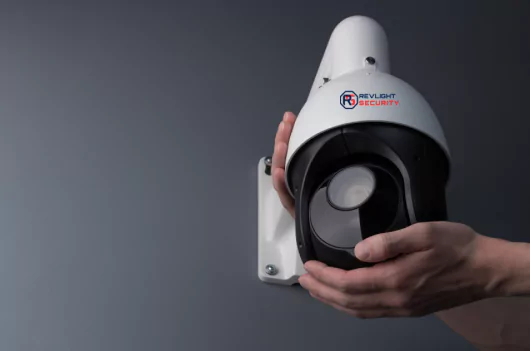
Surface-mounted surveillance should cover gangways, feed barges, access gates, work platforms, and the waterline around the pen group. This footage can help supervisors verify contractor activity, confirm operational timelines, and review incidents involving vessels or site access.
The right number of cameras depends on pen layout and the level of operational risk. More units are not automatically better. Blind spots, overlapping fields of view, weak network paths, and poor recording retention can make a large system less useful than a properly engineered design with fewer, better-positioned devices.
Choose Connectivity That Can Carry the Evidence
A camera that produces clear footage but cannot transmit or record it consistently is not a security system. Aquaculture monitoring depends on network design that accounts for distance, water movement, power availability, weather, and the location of the monitoring station.
Marine WiFi can provide a practical connection between pens, barges, shore facilities, and workboats where line-of-sight conditions allow. Point-to-point wireless links are often suitable for moving video from remote pen groups to an operations center. For larger or more exposed sites, a mixed network may be appropriate, using wired backbone connections where possible and industrial wireless equipment for the final connection.
Bandwidth planning is essential. High-resolution video, multiple live streams, remote access, and long recording periods all place demands on the network. Do not specify image quality in isolation. Match resolution, frame rate, compression, and retention requirements to the available communications capacity and the event you need to detect.
For example, continuous high-frame-rate recording may be justified at a loading point or access area. A lower frame rate or event-based recording plan may be sufficient for a remote net observation point. This approach controls storage costs without sacrificing the footage needed for real operational decisions.
Add Environmental Data to the Video Picture
Video shows what is happening. Environmental sensors help explain why it may be happening. Water temperature, dissolved oxygen, salinity, current direction, turbidity, and weather data can give context to changes in stock behavior or visibility.
A sudden reduction in feeding activity, for instance, is more actionable when an operator can compare it with oxygen levels, current conditions, and recent temperature movement. Similarly, poor underwater footage may be linked to elevated turbidity rather than an equipment issue.
The most useful systems bring these information sources into a clear monitoring workflow. Operators should be able to view live images, review recorded footage, and compare conditions without chasing data across disconnected screens. Integration should support the farm’s procedures, not create another dashboard that nobody checks after installation.
Set Alarm Rules That Drive a Real Response
Alarms are valuable only when they lead to action. A site that triggers constant low-priority notifications will train operators to ignore warnings. Set alert thresholds around events that require a defined response: communication loss, camera obstruction, intrusion at a restricted access point, unexpected vessel approach, low oxygen, or a major change in equipment status.
Every alarm category should have an owner, a response time, and an escalation path. A night operator may acknowledge a video or network loss and dispatch local personnel. A suspected containment issue may require immediate escalation to the site manager, marine superintendent, and designated environmental or stock-management personnel.
Record the response as well as the event. Time-stamped footage, alarm records, operator notes, and maintenance logs give management a clearer audit trail. They also make it easier to identify patterns, such as repeated interference at one pen, frequent link failures in a particular weather direction, or recurring visibility problems at a specific mounting location.
Protect the Equipment From the Marine Environment
Saltwater exposure, biofouling, vibration, wave action, and corrosion will test every installed component. Equipment selection must match the environment, including enclosure ratings, pressure ratings, cable protection, connectors, mounting hardware, and power design.
Underwater systems need a planned cleaning and inspection schedule. Marine growth can reduce image quality gradually, which means operators may not recognize the loss until footage is needed for an incident review. Inspect housings, clean viewing ports, check cable strain relief, and verify that mounts have not shifted.
Power resilience deserves equal attention. If the site relies on local generation, battery backup or alternative power arrangements may be necessary to keep critical monitoring active during interruptions. The correct solution depends on the risk level, site remoteness, and how long the operation can tolerate a loss of visibility.
Make Footage Useful to Managers, Not Just Operators
Remote access gives operational directors and superintendents a faster way to assess conditions across multiple sites, but access must be controlled. Use role-based permissions so users can view the systems they need without exposing administration settings or sensitive recordings unnecessarily.
Set a recording retention period based on operational, insurance, regulatory, and investigation needs. Short retention lowers storage demand but can leave the business without evidence when an issue is reported days later. Longer retention adds storage cost, so prioritize critical camera locations and use recording schedules that match the value of each scene.
Revlight Security supports industrial operators with surveillance and network infrastructure designed for demanding marine environments. The strongest result comes from matching equipment capability to the farm’s real risks, network limitations, and response procedures.
A well-monitored aquaculture pen is not defined by how many screens are in the control room. It is defined by whether the right person can see the right condition, at the right time, and act before a manageable issue becomes a costly loss.
🛡️ Secure Your Home or Business Today
Protect your home, office, shop, or business with reliable CCTV security cameras. Explore our range of CCTV cameras and find the right security solution for your needs.
Explore CCTV Cameras ✉️ Email Us

 Singapore :
+65-6708-9302
Singapore :
+65-6708-9302