
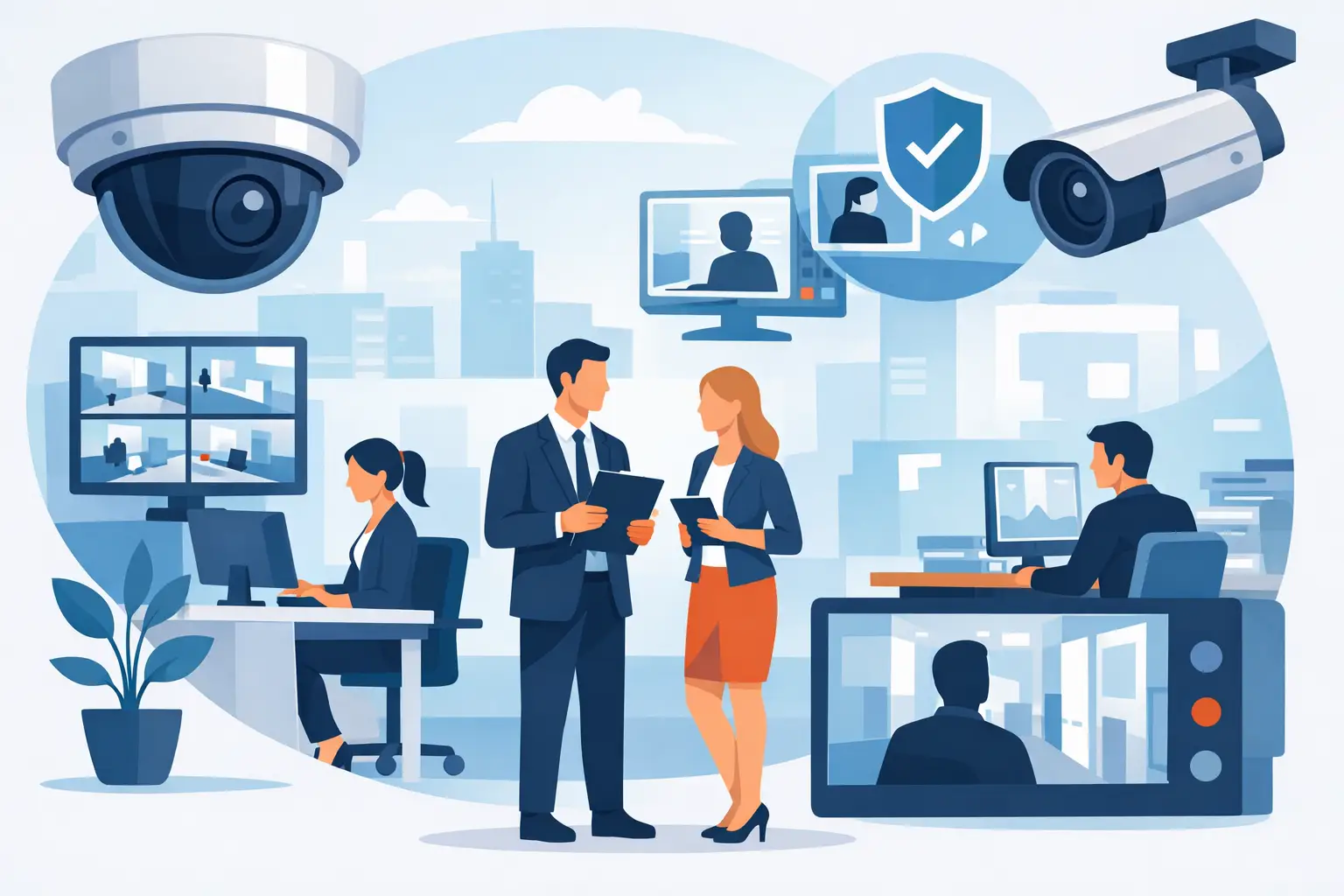
A refinery flare stack event, an unauthorized entry at a marine terminal, a cargo deck blind spot, a missed safety breach in a power facility – these are not small operational issues. They are expensive, disruptive, and sometimes catastrophic. That is exactly why CCTV cameras are important. They give operators, managers, and security teams a reliable visual record of what is happening, where it is happening, and how fast a response is needed.
For industrial and marine environments, CCTV is not just a security add-on. It is part of operational control. The right camera system supports asset protection, personnel safety, incident review, and remote oversight in places where downtime carries a real commercial cost. For procurement teams comparing surveillance options, the value is not only in recording footage. It is in reducing uncertainty across the site.
Why CCTV cameras are important for industrial security
At a basic level, CCTV cameras deter theft, trespass, and vandalism. Visible surveillance changes behavior. Contractors are more likely to follow access rules, visitors are less likely to ignore restricted zones, and bad actors are less likely to target a site where movement is tracked and recorded.
In industrial settings, that deterrent effect matters even more because the assets are high value and often mission critical. A substation, offshore platform, chemical storage area, or vessel engine room cannot afford casual gaps in visibility. One security breach can interrupt operations, damage equipment, or trigger wider safety consequences.
CCTV also gives security teams evidence they can act on. If a gate is breached, a perimeter alarm is triggered, or an access point is used outside normal hours, recorded footage helps verify what actually happened. That means faster internal review, stronger reporting, and fewer decisions based on assumption. For operation directors and superintendents, that clarity helps protect both people and budgets.
CCTV supports safety as much as security
In many facilities, the real value of surveillance appears long before any criminal event. Cameras help monitor hazardous zones, confirm whether teams are using the correct procedures, and provide visual oversight where direct supervision is limited.
This is especially relevant in oil and gas, marine, energy, and chemical operations. A camera covering a loading area, pump station, confined work zone, or offshore access point can help supervisors spot unsafe conditions before they escalate. If there is a slip, a fall, an equipment conflict, or a procedural breach, the footage supports a proper investigation instead of guesswork.
There is a practical business case here. Fewer blind spots can mean fewer delays, fewer disputed incidents, and better accountability across shifts. It can also support training. Reviewing real operational footage often gives teams a clearer understanding of risk than generic classroom examples.
Why CCTV cameras are important for compliance and reporting
Many industrial sites operate under strict regulatory and internal audit requirements. Surveillance footage can support compliance around access control, safety procedures, environmental controls, and incident documentation. In some environments, it is the difference between a verified timeline and an expensive dispute.
A recorded visual history helps companies demonstrate whether procedures were followed. That matters after an accident, during an insurance claim, or when reviewing contractor performance. Procurement managers and operations leaders are often looking beyond the purchase price of a CCTV system. They are assessing whether it helps reduce exposure to regulatory, legal, and operational risk.
That said, compliance needs vary by facility. A warehouse, offshore platform, refinery, and power station will each have different retention expectations, camera placement needs, and evidence handling requirements. The strongest systems are designed around the site, not installed as a generic package.
Remote visibility improves response time
Industrial operations rarely happen in one neat, centralized location. Assets are spread across large perimeters, multiple decks, remote compounds, process units, and offshore structures. Sending personnel to physically verify every issue is slow, expensive, and sometimes unsafe.
This is where modern CCTV delivers immediate value. Remote viewing allows authorized teams to check live conditions without entering a hazardous area or dispatching staff unnecessarily. Security personnel can confirm whether an alarm is real. Operations teams can review site activity after hours. Vessel managers can maintain oversight across critical zones without relying only on radio updates.
Remote access also improves escalation. If a situation requires intervention, decision-makers can act with more confidence because they are working from visual evidence, not partial reports. That shortens response time and can prevent a minor issue from becoming a serious one.
CCTV reduces losses that are easy to underestimate
The obvious losses are theft and damage. The less obvious ones are often bigger. A missed intrusion can delay loading. An unverified contractor dispute can consume management time. A safety incident without footage can become a costly claim. An equipment area with poor visibility can hide process interruptions until they affect output.
This is why buyers in heavy industry increasingly view CCTV as a cost-control system as well as a security system. Good surveillance helps limit shrinkage, prevent avoidable downtime, and improve incident resolution. Over time, the savings can far outweigh the upfront equipment investment.
There is a trade-off, of course. Basic systems may appear cheaper at first, but they often fail where industrial users need them most – in low light, harsh weather, corrosive environments, vibration-prone locations, and remote network conditions. A lower entry price means very little if footage is unusable when a serious event occurs.
The environment matters as much as the camera
Not every CCTV system is built for marine spray, explosive atmospheres, salt corrosion, temperature extremes, or hazardous gas exposure. In industrial procurement, camera selection has to match the environment. That includes housing grade, network stability, image quality, and integration with recording and monitoring infrastructure.
For offshore and marine operators, durability is not optional. Cameras may need to perform through constant moisture, movement, and aggressive weather. In refineries and chemical plants, surveillance may need to work alongside specialized detection systems and support visibility in sensitive processing areas. In power and energy sites, long-range coverage and dependable recording can be just as important as image sharpness.
This is where specification discipline matters. Resolution, field of view, low-light performance, playback capability, storage retention, and remote access are not marketing extras. They directly affect whether the system delivers usable operational value.
Why CCTV cameras are important for smarter management
Strong surveillance helps managers do more than react. It helps them supervise site flow, review bottlenecks, confirm contractor attendance, and understand how operations are unfolding across critical areas. In large facilities and marine operations, that wider visibility supports better decisions.
For example, camera footage can reveal repeated congestion around loading points, unsafe movement near restricted equipment, or recurring access issues during shift changes. These are not always security failures. Often they are management signals. A well-placed CCTV network gives operations leaders a clearer picture of where procedures are working and where they are not.
That is one reason CCTV continues to expand beyond guardroom monitoring. It has become part of broader site intelligence. When paired with dependable network infrastructure and environment-specific hardware, it supports both protection and performance.
Choosing the right CCTV approach
The strongest buying decisions start with the actual risk profile of the site. A marine vessel does not have the same surveillance demands as a refinery. A power station does not face the same visibility challenges as an offshore platform. Camera count, recording architecture, access permissions, and deployment locations should follow the operation, not a generic template.
Buyers should also think beyond installation day. How easy is playback after an incident? Can authorized users access footage remotely when needed? Will the cameras hold up under site conditions six months and three years from now? Can the system scale as operations expand? These are the questions that separate a simple camera purchase from a dependable security infrastructure investment.
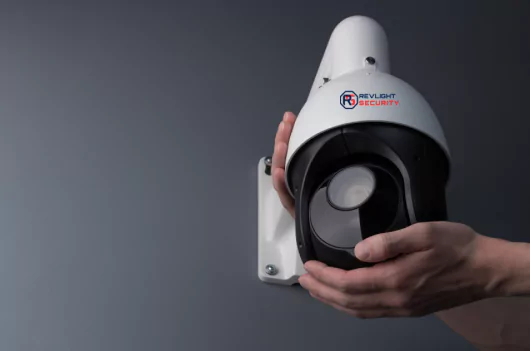
For organizations operating in harsh, regulated, and high-value environments, top-of-the-line offers are not about appearances. They are about performance under pressure. That is where specialist suppliers such as Revlight Security stand apart – by focusing on surveillance and detection systems built for demanding industrial realities, not generic retail conditions.
CCTV earns its place when it helps you protect assets, verify events, improve response, and keep operations moving with fewer blind spots. If a site matters enough to secure, it matters enough to see clearly.
🛡️ Secure Your Home or Business Today
Protect your home, office, shop, or business with reliable CCTV security cameras. Explore our range of CCTV cameras and find the right security solution for your needs.
Explore CCTV Cameras ✉️ Email Us

 Singapore :
+65-6708-9302
Singapore :
+65-6708-9302