
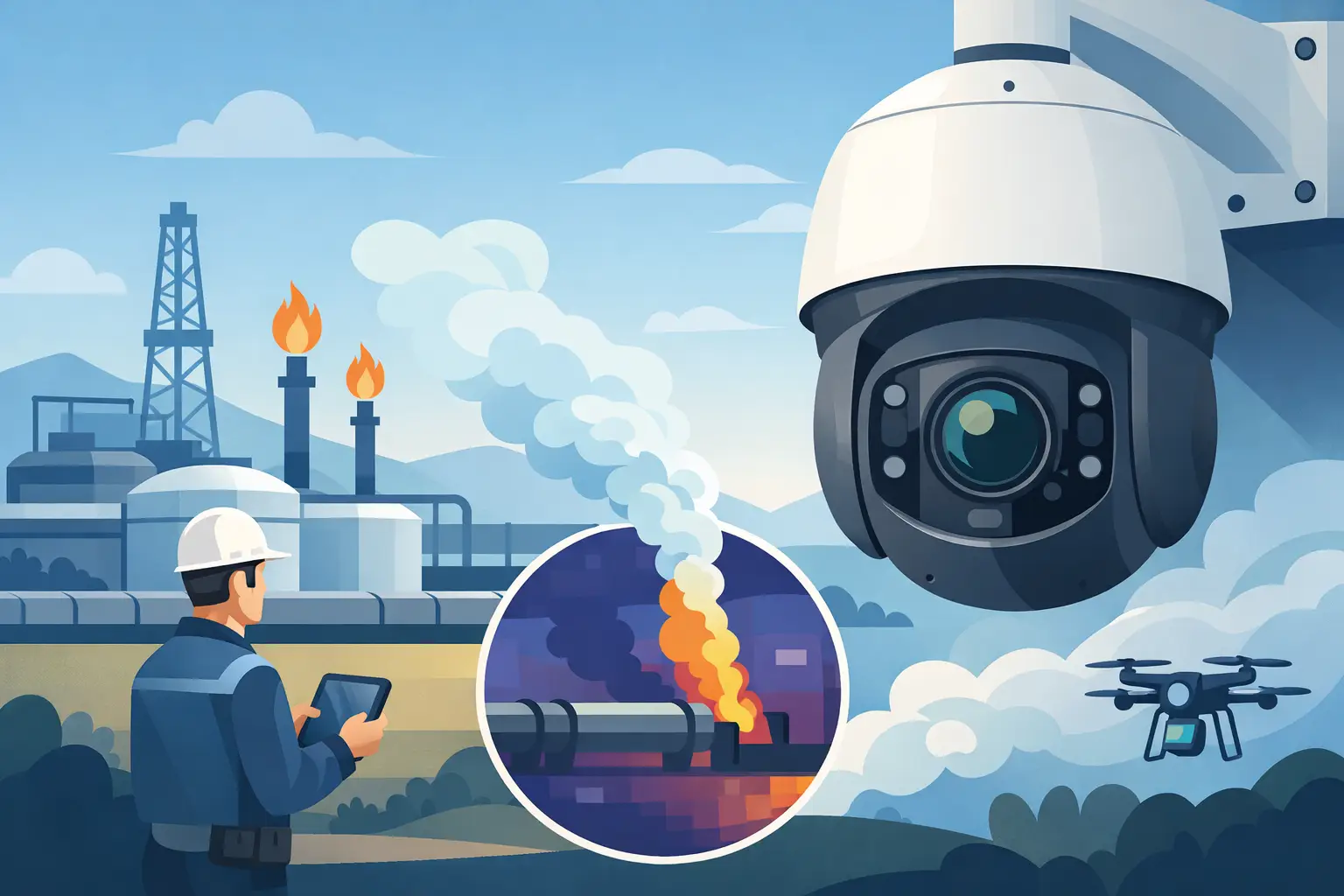
A methane gas PTZ camera is not a standard security camera with a specialty label. In oil and gas, marine, and heavy industrial environments, the difference matters. Buyers are not just looking for video coverage. They need a system that can detect methane leaks, track the source across wide areas, and keep working in harsh conditions where downtime, false alarms, and blind spots carry real cost.
For procurement teams and operations leaders, the challenge is usually not whether to deploy gas detection imaging. It is choosing a unit that performs in the field, integrates with existing infrastructure, and gives operators useful information fast. That is where PTZ capability changes the buying decision.
What a methane gas PTZ camera actually does
A methane gas PTZ camera combines optical gas imaging with pan, tilt, and zoom control. That means operators can scan broad process areas, inspect elevated assets, and zoom in on suspected leak points without sending personnel directly into the area. In refineries, tank farms, compressor stations, offshore platforms, and chemical plants, that flexibility improves both response speed and routine inspection efficiency.
The main value is operational visibility. Fixed gas detection devices remain important, but they only monitor specific points. A PTZ system adds mobile visual confirmation over a larger zone. When configured correctly, it supports leak verification, incident assessment, perimeter observation, and targeted inspection from a control room or remote operations center.
Why PTZ matters in methane leak detection
A fixed gas imaging unit works well when the hazard zone is tightly defined. A methane gas PTZ camera is the stronger choice when assets are spread out, pipework is complex, or inspection priorities shift during the day. One camera can cover multiple areas that would otherwise require several static devices.
This matters commercially as much as technically. Wider coverage can reduce infrastructure costs, simplify mounting plans, and cut installation complexity. For industrial buyers managing multiple sites, the right PTZ model can improve asset utilization without sacrificing detection performance.
There is a trade-off, though. PTZ cameras rely on active control, presets, or patrol patterns. If the application demands constant monitoring of a single leak-prone point, a fixed unit may still be the better fit. The strongest systems strategy often combines both.
How to evaluate a methane gas PTZ camera
Detection performance comes first. Buyers should look closely at the camera’s ability to visualize methane under realistic operating conditions, not just ideal test data. Leak size, background temperature contrast, wind, standoff distance, and viewing angle all affect results. A camera that looks excellent on paper may underperform if the site layout does not support clear imaging.
PTZ performance is the next filter. Smooth pan and tilt response, reliable preset positioning, and strong optical zoom are not minor extras. They determine whether an operator can quickly confirm a suspected leak and keep the target in frame. On large sites, slow or imprecise movement becomes an operational problem.
Environmental durability is just as important. Industrial deployments demand housings and components rated for salt exposure, vibration, rain, heat, dust, and potentially hazardous areas. Offshore and marine operators should pay particular attention to corrosion resistance and long-term enclosure integrity. A lower-priced system can become expensive very quickly if it struggles in aggressive environments.
Connectivity should also be reviewed early. Many buyers focus on the imaging payload and leave network requirements until late in the process. That creates avoidable delays. A high-value PTZ camera needs stable transmission, recording compatibility, remote access support, and straightforward integration into the site’s control and security architecture.
Where these systems deliver the most value
Refineries use methane PTZ systems to monitor flare areas, pipe racks, storage zones, and processing units where leak sources may not be visible from one fixed angle. Offshore operators benefit from wide-area inspection across exposed deck equipment and elevated infrastructure, especially where safe physical access is limited.
Power stations, gas terminals, and chemical plants also gain from remote inspection capability. In these settings, a methane gas PTZ camera supports maintenance planning as much as emergency response. Operators can verify conditions before dispatching teams, reducing unnecessary exposure and helping maintenance crews prioritize the right intervention.
That is one reason commercially focused buyers increasingly favor multi-function surveillance assets. A well-specified PTZ platform can contribute to safety monitoring, operational awareness, incident review, and asset protection in a single deployment.
Common buying mistakes
One of the most common mistakes is choosing on camera resolution alone. Gas imaging performance is not the same as conventional image sharpness. Detection quality depends on the sensing technology, optics, environmental conditions, and how the system is used on site.
Another mistake is underestimating operator workflow. If the camera interface is clumsy, preset tours are poorly configured, or alarm integration is weak, the system may not deliver its full value. Good hardware needs equally practical deployment planning.
Buyers also sometimes treat hazardous-area compliance as a box-ticking exercise. In reality, certification, enclosure design, and mounting suitability must match the exact site classification. Close technical review at specification stage prevents expensive rework later.
What serious buyers should ask suppliers
Before purchase, ask how the camera performs at your expected stand-off distance, what environmental protections are standard, how PTZ presets behave under continuous use, and what recording and remote viewing options are supported. Also ask whether the system is better suited to continuous monitoring, scheduled inspections, or event-driven investigation.
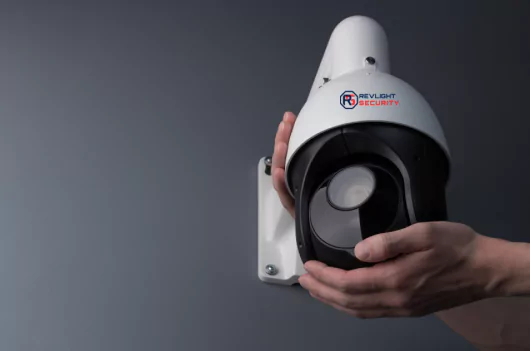
For industrial operators who need dependable performance, this is not a category for guesswork. The right supplier should be able to discuss detection limits, network integration, housing options, and deployment trade-offs with confidence. That is where a specialist provider such as Revlight Security stands apart – not by selling a generic camera, but by matching methane detection capability to the real operating demands of industrial and marine sites.
If your site needs wide-area methane visibility, remote verification, and durable PTZ control, the best buying decision is the one based on field performance, not brochure claims.




 Singapore :
+65-6708-9302
Singapore :
+65-6708-9302