
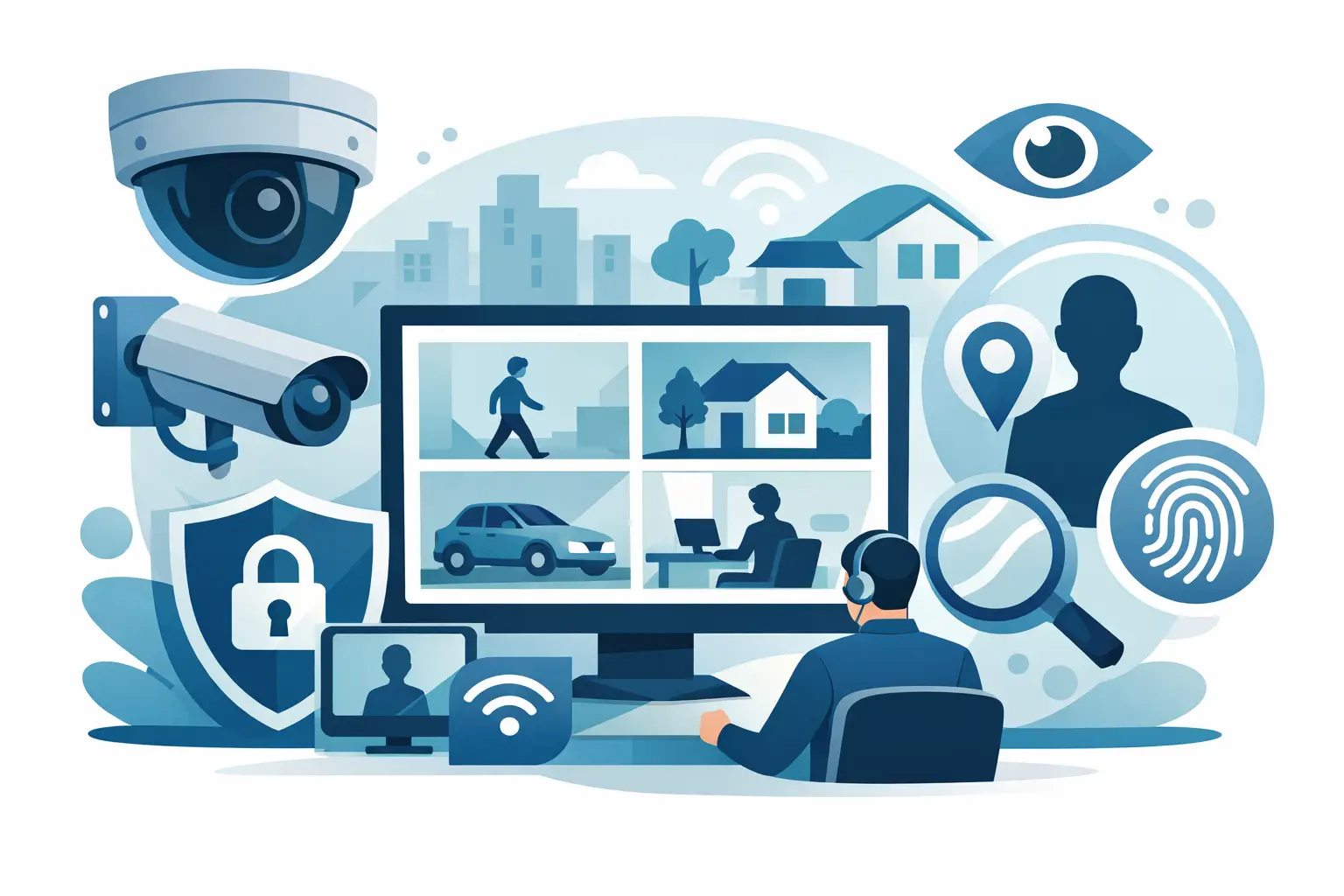
A refinery alarm rarely arrives at a convenient moment. A vessel does not wait for daylight before a deck incident. A remote pump station does not become less exposed because staffing is thin overnight. The purpose of CCTV surveillance system deployment is to give operators, engineers, and decision-makers direct visual control over risk, operations, and response when conditions are changing fast.
For industrial facilities, CCTV is not just a theft deterrent mounted on a wall. It is part of the operating infrastructure. It supports security, yes, but it also supports safety, accountability, incident review, remote supervision, and business continuity. When a system is specified correctly, it reduces blind spots in both the literal and operational sense.
What is the purpose of CCTV surveillance system use?
At the most basic level, the purpose of CCTV surveillance system use is to observe, record, and verify what is happening in a defined area. In a commercial office, that may be enough. In oil and gas, marine, energy, chemical, and heavy industrial environments, the requirement is higher. Buyers need systems that keep watch in harsh weather, corrosive atmospheres, hazardous zones, offshore structures, machinery spaces, loading areas, perimeter lines, and remote assets where physical presence is limited.
That changes the buying criteria. Image quality matters, but so do enclosure ratings, low-light performance, network reliability, storage capacity, compatibility with control rooms, and the ability to deliver footage when it is needed most. A low-cost camera that fails in salt spray, vibration, heat, or explosive-risk areas does not serve its purpose at all.
Security is only one part of the answer
Many buyers begin with a security concern. They want to prevent unauthorized access, trespassing, tampering, cargo loss, vandalism, or internal theft. CCTV does that well because visible surveillance changes behavior, and recorded footage gives security teams evidence they can act on.
But industrial operators usually get more value from surveillance when they look beyond intrusion. A camera on a tank farm, pipeline corridor, offshore platform, berth, engine room, or substation can help confirm whether a fault is mechanical, environmental, or human. It can show whether a contractor followed procedure, whether an area was clear before an operation started, or whether a shutdown sequence happened as directed.
This is where CCTV shifts from being a guard function to being an operational tool. That shift is what makes it worth serious investment.
The purpose of CCTV surveillance system in industrial operations
In industrial settings, surveillance earns its place when it helps teams make better decisions faster. Live monitoring allows operators to verify site conditions before dispatching personnel. Recorded playback helps maintenance teams trace the lead-up to a failure. Remote access allows supervisors to review conditions across multiple assets without traveling to each one.
That has direct cost implications. Faster verification reduces downtime. Better visibility reduces unnecessary callouts. Clear footage shortens investigations. In facilities where delay can affect production, safety, or environmental exposure, that matters.
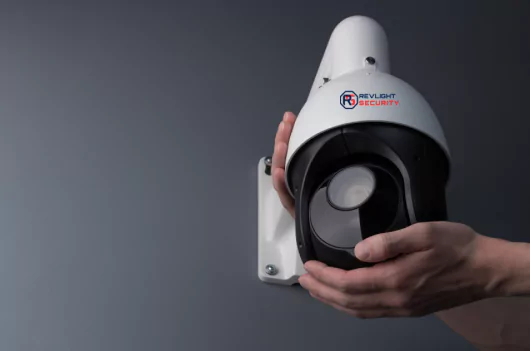
A well-designed system also supports layered monitoring. Fixed cameras cover wide zones continuously. PTZ units give operators control over larger areas. Thermal or specialized detection imaging can supplement standard visual surveillance where smoke, darkness, distance, or gas-related risk changes the requirement. The right system is not just more cameras. It is the right mix of coverage for the environment.
Safety monitoring and incident prevention
Industrial CCTV often delivers its strongest return through safety support. High-risk sites depend on constant awareness of who is in a zone, what equipment is moving, and whether site rules are being followed. Cameras can help monitor confined spaces, loading operations, flare areas, marine transfer points, access ladders, process lines, and hazardous work zones.
That does not mean CCTV replaces trained personnel or safety systems. It adds another layer of control. If a supervisor can confirm that an exclusion zone is clear before equipment starts, that is a measurable advantage. If the control room can see conditions during severe weather or during a restricted-access event, response becomes more informed.
There is a trade-off, though. Cameras do not prevent every incident by default. If positioning is poor, if glare is ignored, if retention settings are too short, or if no one reviews the footage, the system underperforms. Good surveillance depends on design discipline, not just hardware count.
Evidence, compliance, and accountability
When an incident happens, assumptions are expensive. CCTV provides a visual record that helps establish timelines, validate reports, and protect the business against disputed claims. For industrial operators, that may involve workplace incidents, unauthorized entry, vehicle movement, contractor behavior, cargo handling, or damage to assets.
Compliance value is also significant. Many facilities operate under strict safety, environmental, and procedural frameworks. Surveillance footage can support internal audits, incident reviews, and management reporting. It helps confirm whether procedures were followed or whether gaps existed between policy and execution.
That said, retention strategy should match operational reality. Some sites only need short-cycle review for traffic and access monitoring. Others need longer archive periods because investigations, claims, or regulatory reviews may take time to begin. Storage planning is part of system purpose, not an afterthought.
Remote monitoring matters more than ever
Industrial assets are often spread across offshore structures, terminals, substations, remote compounds, marine vessels, and production sites. Sending personnel to inspect every condition physically is slow and expensive. One of the clearest answers to the question of purpose of CCTV surveillance system investment is remote visibility.
Remote monitoring lets management teams, security staff, marine operators, and engineers view live or recorded scenes from control rooms and approved devices. That improves responsiveness and supports leaner operations. A captain can review deck activity. An operations manager can verify perimeter status. A superintendent can inspect conditions at a distant facility before escalating maintenance.
This is especially valuable where connectivity has improved but site access remains difficult. However, remote access only works if the network architecture is reliable. Weak bandwidth planning, poor cybersecurity controls, or incompatible recording platforms can turn a good camera installation into a frustrating system. For serious buyers, the surveillance network is as important as the camera itself.
System purpose changes by environment
The purpose stays consistent, but the specification changes with the site.
In oil and gas, the focus is often hazard-area compatibility, perimeter security, flare or process observation, and support for emergency response. In marine settings, corrosion resistance, vibration tolerance, deck visibility, and dependable onboard network integration become critical. In power generation and utilities, buyers usually prioritize perimeter protection, asset monitoring, substation visibility, and remote operational oversight. In chemical and high-risk processing environments, durability, zoning compliance, and integration with broader detection systems carry more weight.
This is why generic surveillance packages rarely perform well in industrial use. The correct system is shaped by exposure, risk profile, lighting conditions, stand-off distance, recording expectations, and maintenance access. Commercially, that means buyers should judge value by long-term performance, not only by upfront price.
What buyers should expect from a serious CCTV system
A serious system should deliver clear live viewing, reliable recording, practical playback, secure remote access, and coverage that matches the operational objective. It should also be engineered for the environment. That may include weatherproof or explosion-protected housings, marine-grade construction, low-light capability, thermal support, network-ready design, and recorder capacity sized for actual retention needs.
Integration is another key point. Many industrial buyers no longer want stand-alone surveillance. They want CCTV that works alongside access control, alarms, detection platforms, and site communications. This creates a more useful operating picture and reduces the delay between seeing a problem and acting on it.
For procurement teams, serviceability matters too. The best service provider is not simply the one offering a camera count and a low quote. It is the supplier that understands your site conditions, recommends the right format, and delivers a system that stays dependable under pressure. That is where specialist vendors stand apart from generic resellers.
Why the purpose of CCTV surveillance system investment is growing
Industrial sites are under pressure to do more with fewer interruptions. Security threats remain real, but operational scrutiny is rising too. Companies want better evidence, stronger oversight, reduced downtime, and safer site management across larger footprints. CCTV answers those demands when it is treated as part of infrastructure rather than an optional add-on.
For buyers in oil and gas, marine, energy, and heavy industry, the business case is straightforward. Better visibility supports faster decisions. Better records support stronger accountability. Better remote access supports more efficient operations. And better-spec equipment lasts longer in demanding environments, which protects budget as much as it protects the site.
Revlight Security works in exactly this space, where surveillance is not about basic coverage but about dependable performance in places where failure is costly. If you are assessing a new installation or replacing an underperforming setup, start with the real objective. The right system is the one that gives your team visibility they can trust when the pressure is on.
🛡️ Secure Your Home or Business Today
Protect your home, office, shop, or business with reliable CCTV security cameras. Explore our range of CCTV cameras and find the right security solution for your needs.
Explore CCTV Cameras ✉️ Email Us

 Singapore :
+65-6708-9302
Singapore :
+65-6708-9302