
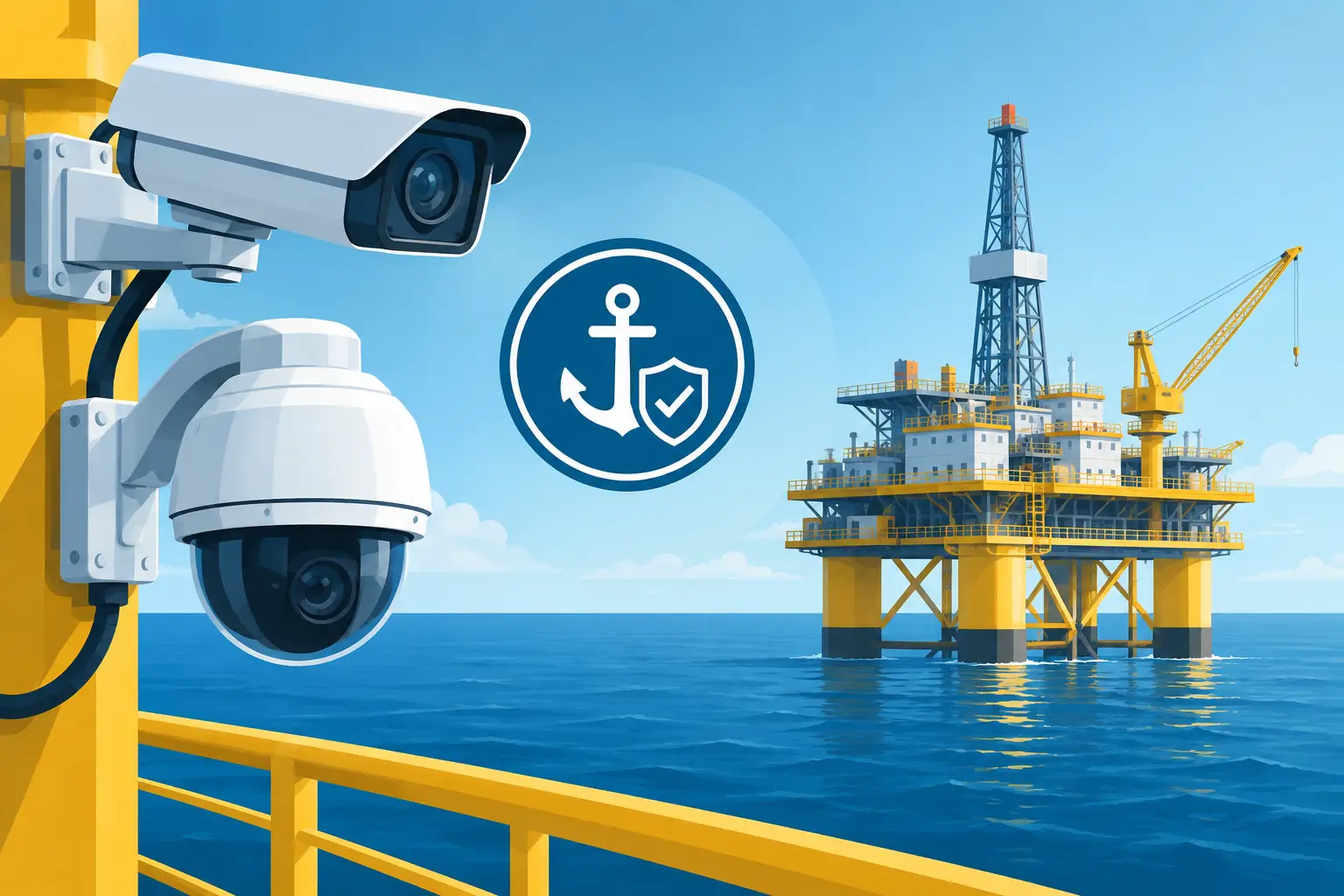
A camera installed on a vessel, offshore platform, or energy asset is only valuable if it continues recording when vibration rises, salt spray builds, and operations become critical. The search for top DNV approved cameras is therefore not about buying a standard security unit with a marine label. It is about specifying certified surveillance infrastructure that supports safety, operational visibility, incident review, and reliable remote access in demanding environments.
For procurement teams and technical operators, the right choice starts with a clear understanding of what the DNV approval covers. From there, the camera’s housing, hazardous-area status, optical performance, network design, and lifecycle support determine whether the installation will deliver dependable value or create an expensive maintenance burden.
What DNV Approval Should Mean in a Camera Specification
DNV certification is widely recognized across marine and offshore industries because it verifies equipment against defined requirements for use in severe operating conditions. However, buyers should not treat the words “DNV approved” as a blanket claim. The certificate must be checked against the exact product configuration, intended application, and installation environment.
A valid approval may address environmental endurance, electromagnetic compatibility, vibration, temperature, humidity, enclosure performance, or the suitability of associated components. The scope matters. A camera body, mounting assembly, network enclosure, power supply, and cable gland may each have different compliance documentation. A system is only as defensible as the documentation behind the installed configuration.
Request the current certificate, certificate number, approved model designation, and any stated limitations before issuing a purchase order. Confirm that the approval remains applicable to the camera’s firmware, housing, lens arrangement, and power option. This step prevents a common and costly problem: approving a submittal based on a similar product rather than the exact equipment delivered to site.
The Best DNV Approved Camera Types by Application
There is no single camera that suits every vessel, terminal, refinery, or offshore platform. The top-performing option depends on what operators need to see, where it will be installed, and how the footage will be used.
Fixed Marine Surveillance Cameras
Fixed cameras are the foundation of most marine security and operational monitoring systems. They suit deck coverage, access points, gangways, machinery spaces, cargo zones, engine-room corridors, and perimeter views. For exposed locations, specify a marine-grade enclosure designed to resist corrosion, water ingress, wind-driven spray, and continuous vibration.
The strongest fixed-camera specification combines high-resolution imaging with a lens selected for the actual scene distance. More resolution is not automatically better if poor lens selection, glare, or low-light conditions prevent operators from identifying useful detail. Wide-angle coverage works for general deck awareness, while a narrower field of view is often required for gates, loading points, or controlled-access areas.
PTZ Cameras for Wide-Area Monitoring
Pan-tilt-zoom cameras are effective where personnel need to investigate activity across large open areas. They are commonly specified for jetties, helidecks, vessel approaches, crane operations, tank farms, and offshore deck zones. Optical zoom is the key requirement when operators must observe distant activity without sacrificing image detail.
PTZ capability comes with a trade-off. A moving camera can only look in one direction at a time, and its mechanical systems require careful environmental selection. In high-priority areas, use PTZ coverage alongside fixed cameras rather than treating it as a replacement for continuous scene recording. This combination gives security teams both broad evidentiary coverage and active situational control.
Hazardous-Area Camera Systems
For refineries, chemical plants, gas-processing facilities, and classified offshore zones, hazardous-area compliance is separate from marine approval. Depending on the site and jurisdiction, equipment may need certification for Class/Division or Zone classifications, with appropriate temperature codes and gas groups.
The camera, enclosure, glands, junction boxes, and installation method must be selected as a complete hazardous-area solution. A compliant camera connected through an unsuitable enclosure or cable entry does not create a compliant system. Procurement teams should require a clear bill of materials showing each certified item, its markings, and its approved operating conditions.
Hazardous-area systems often carry a higher initial price than conventional network surveillance equipment. That investment is justified when it avoids unsafe substitutions, reduces approval delays, and protects the asset from shutdown risk. The lowest equipment price is rarely the lowest project cost in a classified area.
Thermal and Gas Detection Imaging
Visible-light surveillance cannot reveal every operational threat. Thermal imaging supports monitoring in darkness, haze, smoke, and difficult weather, making it valuable for perimeter observation, hot-spot checks, and low-visibility maritime conditions. Thermal cameras should be specified around the detection objective, not simply the sensor resolution. Required recognition range, target size, field of view, and environmental conditions all affect performance.
For hydrocarbon facilities, optical gas imaging equipment can support methane and volatile organic compound detection programs where applicable. These systems are specialized detection tools, not general surveillance replacements. They require correct positioning, trained operators, verification processes, and a clear response plan when an emission is identified.
How to Compare Top DNV Approved Cameras
A practical comparison should focus on total operational fit. Start with the environment: offshore exposed deck, engine room, hazardous process area, berth, control room, or subsea inspection zone. Then define what the camera must accomplish, whether that is intrusion verification, personnel safety monitoring, operational oversight, recording for investigation, or detection support.
Image performance should be assessed under real conditions. Ask for low-light test footage, glare handling, dynamic range, and nighttime performance from a comparable installation. A camera that looks impressive in a warehouse demonstration may produce poor evidence when facing sun reflections from water or direct lighting around a process plant.
Network compatibility is equally important. Confirm support for the video management system, recording platform, user permissions, alarm inputs, multicast behavior, bandwidth controls, and remote viewing requirements. Marine and offshore networks may have limited satellite capacity or constrained links between vessels and shore. Efficient video compression, local recording, health monitoring, and event-based transmission can protect bandwidth without losing the footage that matters.
Cybersecurity belongs in the same evaluation. Specify secure credentials, role-based access, encrypted communications where the network supports it, firmware support, audit logging, and a defined update process. Surveillance cameras are network-connected field devices. Leaving them outside the site cyber standard is a preventable exposure.
Installation Details That Protect Uptime
Most camera failures in industrial and marine projects are not caused by the sensor itself. They are caused by poor mounting, unsuitable connectors, inadequate power design, water ingress, vibration, or incomplete commissioning.
Position cameras to avoid repeated obstruction from handrails, cranes, loading equipment, and routine maintenance activity. Provide stable mounting that limits vibration-induced image movement. Select corrosion-resistant brackets and fasteners compatible with the installation location. In exposed areas, consider sunshields, wipers, washers, and protective viewing windows where contamination is expected.
Power and communications should be designed for maintainability. A managed network switch with port monitoring can identify a failed link before an operator reports a missing image. Surge protection, correctly rated power supplies, fiber uplinks where needed, and clearly labeled termination points simplify fault finding during tight maintenance windows.
Commissioning must include more than confirming a live image. Test recording retention, playback quality, PTZ presets, alarm triggers, time synchronization, remote access, failover behavior, and camera health alerts. Capture final camera views and settings in the handover package so that future crews can verify whether a camera has moved, degraded, or been reconfigured.
Buying for Lifecycle Value, Not Just Unit Price
A serious surveillance package should reduce operational uncertainty over years of service. That means considering warranty coverage, spare availability, technical support, documentation quality, replacement lead time, and the availability of matching accessories. A lower-cost unit can quickly lose its advantage if it requires repeated replacement or forces a custom retrofit after a few seasons offshore.
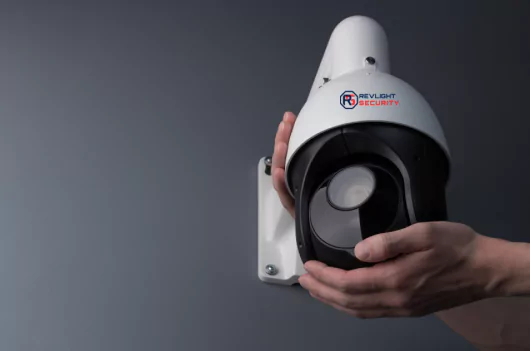
Revlight Security supplies specialized surveillance and detection equipment for industrial, marine, and energy applications where application fit matters as much as product specification. The right package brings together certified equipment, compatible network infrastructure, and a camera layout built around the way your team actually operates.
Before selecting equipment, ask for the certificate scope, environmental rating, hazardous-area status where required, network requirements, and a layout that identifies what every camera is expected to capture. That discipline turns a camera purchase into dependable operational infrastructure – and gives your crews visibility when conditions leave no room for guesswork.
🛡️ Secure Your Home or Business Today
Protect your home, office, shop, or business with reliable CCTV security cameras. Explore our range of CCTV cameras and find the right security solution for your needs.
Explore CCTV Cameras ✉️ Email Us


 Singapore :
+65-6708-9302
Singapore :
+65-6708-9302