

A camera mounted over a refinery gate does a different job than one watching a vessel corridor or a loading bay. That is why the bullet vs dome cameras decision is not a cosmetic choice. It affects deterrence, field of view, maintenance access, environmental performance, and how well your surveillance investment holds up under real operating pressure.
For industrial buyers, the right answer usually starts with the site, not the catalog. A camera that performs well on a warehouse wall may be the wrong fit for salt-heavy marine air, vibration-prone structures, or exposed energy infrastructure. If you are specifying systems for operational security, compliance, or incident review, the camera housing style matters more than many buyers expect.
Bullet vs dome cameras: the core difference
Bullet cameras use a long, cylindrical housing that points clearly toward a target area. They are built for obvious directional coverage and are often selected when visible surveillance is part of the security strategy. If you want people to know they are being watched at a perimeter, access road, fence line, or exterior asset zone, bullet cameras make that message clear.
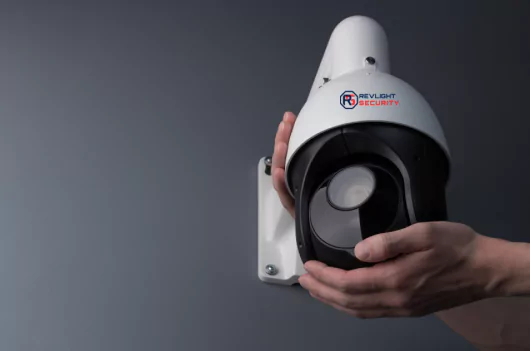
Dome cameras use a compact housing with the camera protected inside a dome cover. They tend to look more discreet, and from a distance it can be harder to tell exactly where the lens is aiming. That makes them useful for internal spaces, customer-facing areas, entry points, and places where you want security coverage without a heavily industrial visual footprint.
The choice is not simply visible versus discreet. It also affects cleaning frequency, tamper resistance, mounting flexibility, and image consistency in harsh conditions.
Where bullet cameras perform best
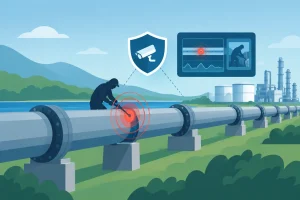
Bullet cameras are a strong fit for long-range outdoor coverage. Their shape naturally supports larger lenses, sunshields, and weather-focused housing designs, which helps when monitoring open yards, dock perimeters, parking zones, pipeline approaches, and critical external infrastructure.
In industrial environments, that visibility can be an advantage. A clearly seen bullet camera mounted high on a structure can discourage trespassing, theft, and unsafe behavior before an incident develops. For many operators, deterrence is just as valuable as recorded evidence.
They are also easier to align visually during installation. An engineer or installer can quickly confirm where the camera is facing, which can reduce setup time across larger deployments. When you are managing multiple cameras across a wide facility, that practical benefit adds up.
That said, bullet cameras are more exposed. Their shape can make them more vulnerable to impact, deliberate repositioning, and environmental buildup. In marine and offshore settings, salt residue, wind-driven spray, and corrosion risk can all affect long-term performance if the camera specification is not matched correctly to the environment.
Where dome cameras perform best
Dome cameras are often chosen for areas where protection and discretion matter more than long-distance visual deterrence. Their compact form makes them well suited to corridors, indoor processing areas, lobbies, control room approaches, stairwells, and under-eave installations.
A major strength of dome cameras is tamper resistance. Because the housing sits close to the mounting surface and protects the lens inside the dome, it is generally harder to grab, twist, or redirect. In areas with regular foot traffic or lower mounting heights, that can be a deciding factor.
Dome cameras also work well where aesthetics and space matter. On vessels, in accommodation blocks, or in cleaner facility interiors, a lower-profile camera can maintain professional coverage without drawing excessive attention. For mixed-use industrial sites where security systems are visible to visitors, contractors, and staff, that cleaner appearance can be useful.
The trade-off is maintenance. Dome covers can collect dust, smears, condensation, or salt film, and once the cover is marked, image quality can suffer. Glare and IR reflection can also become issues if the dome is low quality or not maintained properly. In harsh outdoor conditions, that means dome cameras need careful product selection and disciplined cleaning routines.
Bullet vs dome cameras for outdoor industrial sites
For open outdoor coverage, bullet cameras often have the edge. They are easier to position over long distances and usually make more sense for perimeter walls, gate lanes, tank farms, quaysides, and remote structures. Their design supports targeted viewing and strong scene definition over specific approach routes.
Dome cameras can still work outdoors, especially under soffits, canopies, or protected mounting points. They are a smart choice when you need an outdoor camera in a location that is vulnerable to tampering or where a compact installation is preferred. But in fully exposed areas, the dome surface itself can become the weak point if weather, grime, or residue build up quickly.
This is where professional buyers need to look beyond shape alone. IP rating, corrosion resistance, operating temperature, housing materials, heater options, and mounting hardware quality often matter more than whether the unit is bullet or dome. In oil and gas, marine, and energy environments, housing integrity is not a side issue. It is part of the camera’s operating value.
Image coverage, positioning, and blind spots
Bullet cameras are best when you know exactly what you want to watch. They are highly effective for directional scenes such as vehicle checkpoints, access gates, fence runs, berth approaches, and external equipment zones. If the goal is to capture a defined lane of movement, a bullet camera is often the cleaner answer.
Dome cameras are stronger in tighter spaces where people move in multiple directions. Mounted on ceilings or under structures, they can cover entrances, hallways, loading areas, and room interiors efficiently. Their form factor also allows cleaner mounting in spaces where a protruding housing would be awkward or vulnerable.
Neither style solves poor design. If a site has changing light, reflective surfaces, vibration, fog, or frequent washdowns, camera placement and specification have to be engineered around those realities. A badly positioned top-tier camera will still produce weak evidence.
Security, maintenance, and total cost
Buyers often compare camera price first, but total operating cost tells the better story. A bullet camera may be simpler to clean and easier to reposition during maintenance. A dome camera may reduce tampering incidents and provide a more secure installation in occupied areas. The lowest upfront cost is not always the lowest lifecycle cost.
Maintenance conditions matter. On offshore structures and marine assets, service visits are expensive and often weather-dependent. In those environments, every camera choice should support reliability, corrosion resistance, and straightforward upkeep. A camera that needs frequent dome cleaning or repeated alignment correction can quickly become a hidden cost.
It is also worth considering how the camera fits the wider system. Recording quality, low-light performance, remote access, playback needs, analytics compatibility, and network stability all affect final results. Camera form matters, but it should never be separated from system performance.
Which camera should you choose?
If your priority is perimeter deterrence, long directional coverage, and visible surveillance presence, bullet cameras are usually the stronger option. They fit external industrial security well and make sense when you need people to notice the surveillance infrastructure.
If your priority is discreet coverage, better resistance to casual tampering, and a compact installation for interiors or protected exteriors, dome cameras are often the better buy. They are especially useful in controlled indoor zones, access areas, and installations where a lower-profile appearance supports the environment.
Many serious sites use both. A refinery, marine terminal, or power facility rarely benefits from a one-style-only approach. Bullet cameras can secure the perimeter and open asset areas, while dome cameras handle entrances, internal routes, and vulnerable lower-height positions. That mixed strategy usually delivers better operational coverage and better value.
For buyers managing industrial risk, the best decision is not about which camera looks more modern. It is about which one performs reliably in your environment, supports your monitoring objectives, and reduces exposure over time. That is the standard serious facilities should expect from any surveillance investment, and it is exactly where a specialist supplier like Revlight Security adds value.
The right camera shape is the one that keeps delivering when your site is exposed, your team is stretched, and the footage actually needs to stand up to scrutiny.
🛡️ Secure Your Home or Business Today
Protect your home, office, shop, or business with reliable CCTV security cameras. Explore our range of CCTV cameras and find the right security solution for your needs.
Explore CCTV Cameras ✉️ Email Us


 Singapore :
+65-6708-9302
Singapore :
+65-6708-9302