
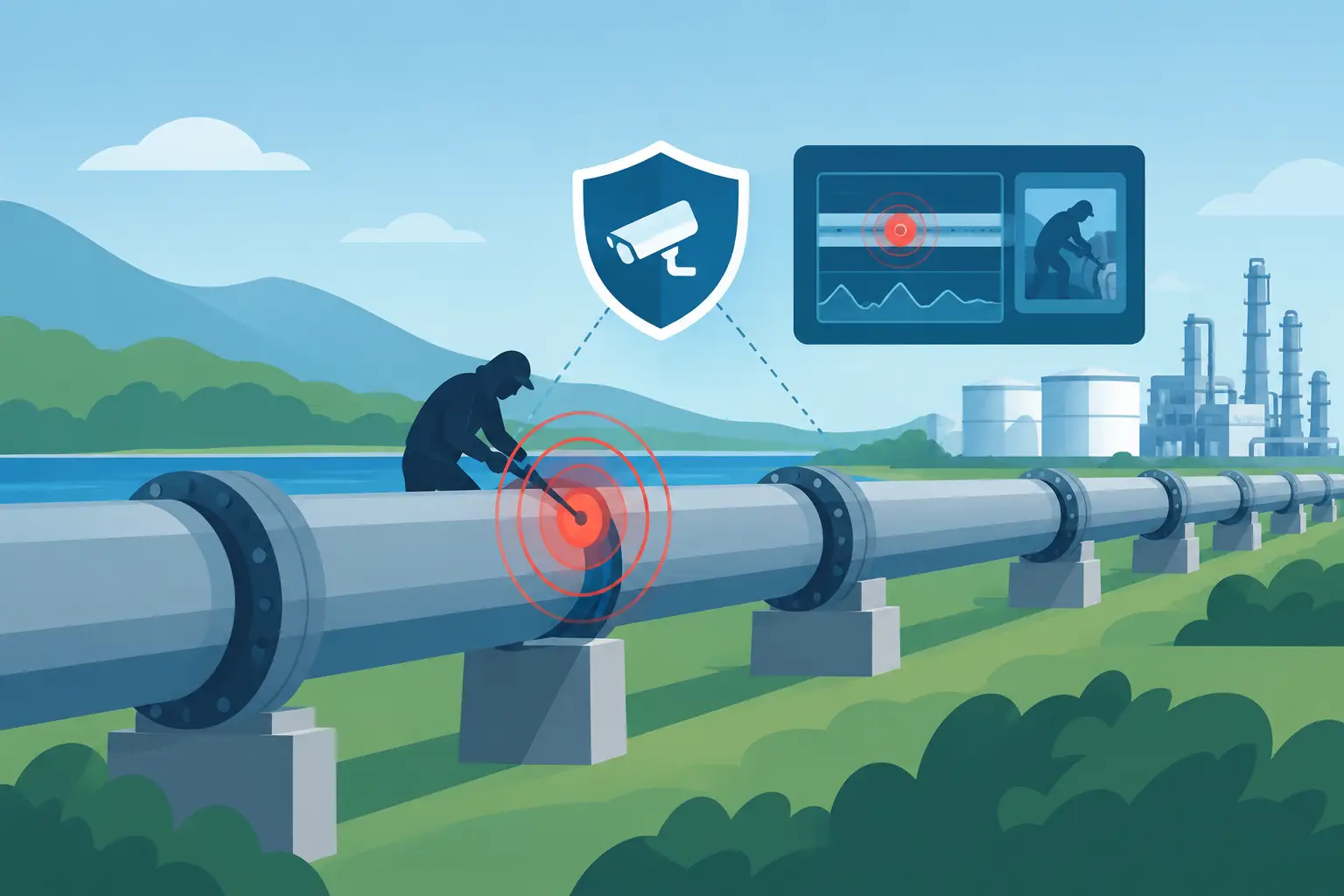
A pipeline corridor can extend for hundreds of miles through remote terrain, industrial zones, public rights-of-way, and high-consequence facilities. That exposure creates a security gap: an intruder, unauthorized vehicle, excavation crew, or saboteur may be active long before a routine patrol reaches the location. Pipeline intrusion detection gives operators the early warning needed to assess the event, verify it visually, and send the right response before a security issue becomes a release, outage, or major repair bill.
For oil, gas, chemical, marine, and power operators, the objective is not simply to install more devices along the route. The objective is to create dependable detection coverage that works in darkness, harsh weather, low-connectivity areas, and high-risk zones while limiting false alarms that overwhelm a control room.
What Pipeline Intrusion Detection Must Detect
A serious system should distinguish between normal activity near the right-of-way and behavior that demands intervention. That means detecting human approach, vehicle entry, fence climbing, access-gate violations, tampering at valve stations, and excavation near buried infrastructure. At terminal approaches, pump stations, tank farms, and river crossings, it may also need to identify loitering or access from the water.
The threat profile changes by location. A remote cross-country section may be most vulnerable to illegal tapping, theft, and unapproved digging. A pipeline entering a refinery, power station, or marine terminal has a different risk profile: coordinated intrusion, perimeter breach, equipment tampering, or unauthorized contractor access. Procurement teams should not accept a single generic detection method for every segment.
Detection also needs a clear operational purpose. If an alarm cannot be located accurately, assessed quickly, and escalated to a response team, it has limited value. The strongest designs pair detection with visual verification and event recording so the operator can decide whether to dispatch security, halt work, notify local authorities, or document authorized activity.
Build Detection Around the Risk Zone
The most cost-effective approach is layered coverage, with each technology assigned to the environment where it performs best. A long pipeline does not require identical equipment at every mile marker. Critical nodes and access points deserve denser coverage than low-risk stretches, while remote sections may require solutions designed for long-range communication and autonomous operation.
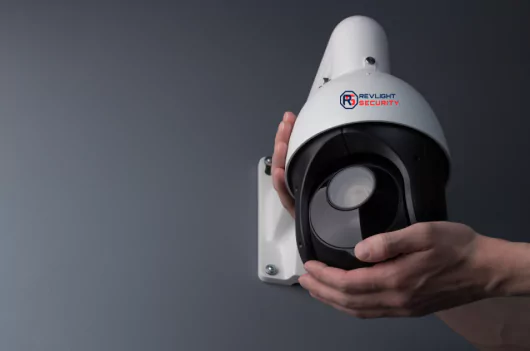
At fenced facilities, perimeter thermal cameras, visible-light cameras, infrared illumination, and video analytics can establish a controlled detection boundary. Thermal imaging is particularly effective for identifying people or vehicles in low light, haze, smoke, or complete darkness, without relying on visible illumination. A properly positioned PTZ camera can then provide close visual assessment of the alarm area, including live tracking and recorded evidence.
For buried pipeline corridors, fiber-based sensing and ground disturbance detection can provide broad-area awareness. These systems can identify vibration signatures associated with digging, footsteps, vehicles, or mechanical activity. Their value is greatest when the operator can correlate the event with maps, work permits, maintenance schedules, and video coverage at nearby crossing points or valve stations.
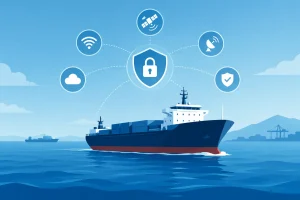
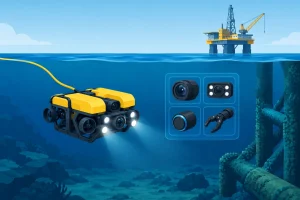
At water-adjacent assets, the design may include marine-rated cameras and secure wireless network infrastructure to monitor jetties, shoreline approaches, floating equipment, and restricted access areas. Salt spray, vibration, wind loading, and limited cable routes make equipment selection especially important. Standard indoor surveillance hardware is not a cost-saving choice when it fails prematurely in a corrosive marine environment.
Visual Verification Is Where Detection Becomes Actionable
An alarm without visual confirmation can create unnecessary patrol deployments, production interruptions, and alarm fatigue. Video verification converts a signal into operational intelligence. Control-room personnel can see whether the cause is an authorized contractor, wildlife, weather movement, a vehicle crossing, or a genuine intrusion.
Camera selection should match the scene, not a catalog specification alone. Wide-area thermal coverage is useful for detecting movement across a boundary, while optical zoom supports identification at gates, road crossings, manifolds, and valve assemblies. Fixed cameras provide persistent coverage of known approach routes. PTZ cameras allow operators to investigate a larger zone, but they should not be the only source of evidence because they can only look in one direction at a time.
Recording and playback matter just as much as live viewing. Operators need retained, time-synchronized footage to investigate suspicious activity, support incident reports, review contractor movements, and improve future alarm rules. A system that records high-quality video but cannot retrieve the relevant event quickly will not meet the needs of an active security operation.
Network Design Determines System Reliability
Pipeline intrusion detection is often discussed as a sensor or camera purchase. In practice, network architecture determines whether the detection system remains available when it is needed most. Remote locations can face constrained bandwidth, unstable power, extreme temperatures, lightning exposure, and limited maintenance access.
The network should be engineered for the traffic it will carry. Thermal and optical video streams, analytics metadata, access control events, and alarm notifications all compete for capacity. Where bandwidth is limited, edge analytics and event-driven recording can reduce unnecessary transmission while preserving situational awareness. Where continuous monitoring is required, the communications path must be sized for concurrent live viewing and recorded-video retrieval.
Cybersecurity also belongs in the physical security specification. Cameras, sensors, network switches, recording platforms, and remote access gateways must be segmented, credentialed, monitored, and maintained. An unsecured surveillance endpoint can become an access point into a wider operational environment. Security directors and OT teams should agree on ownership, update procedures, remote-access controls, and incident escalation before deployment.
Power resilience deserves the same discipline. Sites with unreliable utility power may need solar, battery backup, generator support, or a combination of these options. The right choice depends on local climate, load requirements, autonomy targets, and maintenance capability. A lower initial equipment cost is quickly erased if crews must make repeated trips to restore a site after a power failure.
Reducing False Alarms Without Reducing Protection
False alarms are one of the main reasons intrusion programs lose support after installation. Vegetation movement, thermal reflections, wildlife, rain, dust, insects, vehicle headlights, and changing ambient conditions can all trigger poorly configured systems. The answer is not simply to lower sensitivity until alarms disappear. That approach can create dangerous blind spots.
Effective tuning starts with a site survey and a realistic understanding of the environment. Detection zones should exclude public roads where possible, account for tree lines and moving water, and focus analytics on likely approach paths. Alarm rules can be tailored by object type, direction of travel, dwell time, and time of day. A person entering a restricted zone at 2 a.m. is not the same event as a maintenance vehicle using an approved service route at noon.
Operators should also establish a review process after commissioning. Alarm data reveals patterns that are not always visible during design. A recurring alert at a fence corner may indicate an analytics adjustment is required, but it could also expose a genuine physical weakness such as damaged fencing, poor lighting, or an uncontrolled access path.
Procurement Questions That Prevent Expensive Gaps
Before selecting equipment, ask suppliers to demonstrate how the proposed system handles the specific operating conditions at your sites. A meaningful proposal identifies detection range, expected coverage geometry, environmental ratings, night performance, video retention, network bandwidth, power demand, and the method for managing alarms at scale.
Buyers should also ask who will receive alarms, how events are verified, how footage is retrieved, and what happens when communications are interrupted. These questions expose the difference between a collection of devices and a functioning security system. For critical infrastructure, integration with existing control-room workflows, VMS platforms, access control, and maintenance processes can be more valuable than adding another standalone dashboard.
Revlight Security supports industrial operators with surveillance and network solutions selected for demanding environments, from remote energy assets to marine facilities. The right deployment is based on the risk, the site conditions, and the response process – not on a one-size-fits-all equipment list.
A pipeline security investment earns its value when it gives the operations team time: time to verify an event, time to protect personnel, and time to stop a localized threat from becoming an operational crisis. Start with the areas where unauthorized activity would have the highest consequence, then build outward with detection, visual verification, reliable communications, and disciplined alarm response.
🛡️ Secure Your Home or Business Today
Protect your home, office, shop, or business with reliable CCTV security cameras. Explore our range of CCTV cameras and find the right security solution for your needs.
Explore CCTV Cameras ✉️ Email Us

 Singapore :
+65-6708-9302