
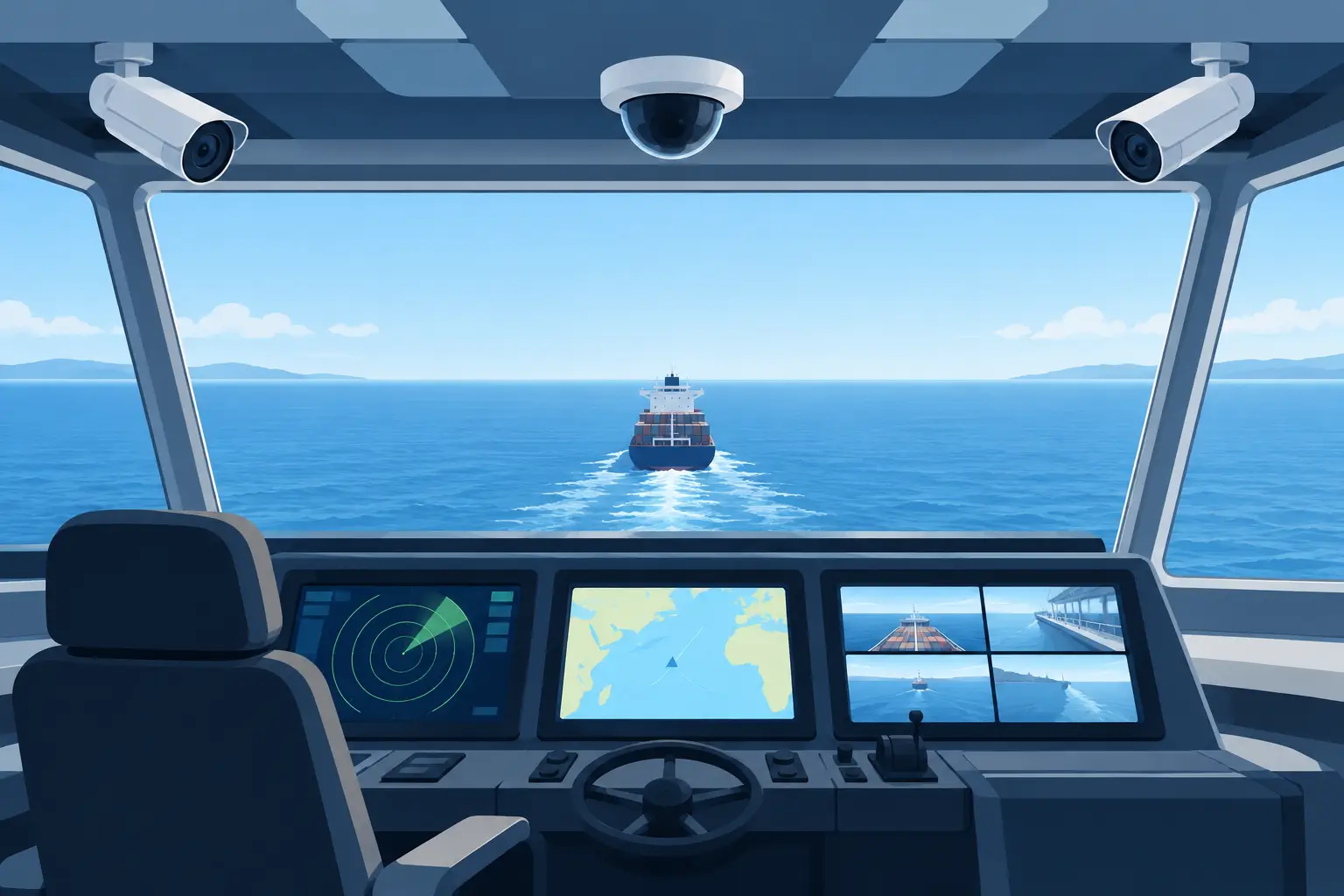
A bridge team can lose its best view at the exact moment it needs it most: during a tight berth approach, in glare off the water, through heavy rain, or while working alongside offshore infrastructure. Essential ship bridge cameras extend operational visibility beyond bridge windows and preserve a clear record of what occurred. For vessel operators, this is not a convenience upgrade. It is a practical layer of navigation support, security control, and incident accountability.
A well-specified camera system gives captains, officers, engineers, and shore-side management reliable visual coverage of critical operating areas. It can support safer maneuvering, improve awareness around restricted decks, reduce disputes after incidents, and give technical teams a faster way to verify conditions without unnecessary exposure.
What Essential Ship Bridge Cameras Must Deliver
Bridge camera selection should begin with the operating risk, not with a camera count. A small workboat, tanker, offshore support vessel, container ship, and chemical carrier each have different blind spots, lighting conditions, crew workflows, and connectivity constraints. The correct system is built around those realities.
At minimum, bridge-facing surveillance should deliver a stable live image, useful recorded footage, and dependable performance in saltwater exposure. Cameras positioned to observe forward visibility, bridge wings, aft working areas, gangways, machinery access points, and external approaches can give the officer of the watch a more complete operational picture.
Image quality matters, but resolution alone does not define performance. A high-resolution camera that washes out in low-angle sunlight or fails in rain is of limited value when the vessel is maneuvering. Look for wide dynamic range to manage bright sky and dark deck areas in the same scene, low-light capability for night operations, and infrared illumination where practical. In some positions, infrared reflection from glass or nearby metalwork can reduce image usability, so placement and testing are as important as the data sheet.
For exposed locations, marine-rated housings, corrosion-resistant construction, protected cabling, and appropriate ingress protection are non-negotiable. Salt spray, vibration, engine noise, temperature swings, and constant motion quickly reveal the difference between a consumer-grade installation and professional marine surveillance infrastructure.
Camera Coverage That Supports Bridge Decisions
The most effective systems use purpose-built coverage zones rather than placing cameras wherever installation is easiest. Forward-facing cameras can support awareness of approaches, channels, offshore structures, and obstructions ahead. They should complement, never replace, radar, electronic chart systems, visual watchkeeping, and navigational procedures.
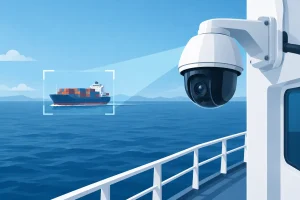
Bridge wing coverage is especially valuable during docking, unberthing, pilot transfers, lock passage, and ship-to-ship operations. A fixed camera with the right field of view can provide a consistent visual reference, while a pan-tilt-zoom unit can let an authorized operator inspect activity around a specific point of interest. The trade-off is straightforward: fixed cameras offer continuous coverage of a defined scene, while PTZ models provide flexibility but can only look in one direction at a time.
Aft and working-deck coverage is equally relevant on offshore, towing, supply, and cargo-handling vessels. Cameras can help the bridge monitor line handling, cranes, hose connections, cargo zones, and personnel movement in areas that are not directly visible from the wheelhouse. This reduces reliance on fragmented radio updates when conditions are changing quickly.
Gangway and access-point cameras serve a different purpose. They provide documented oversight of visitors, contractors, stores deliveries, and restricted-area access. On vessels operating near terminals, offshore facilities, or high-security ports, this footage supports both security procedures and post-event investigation.
Recording Is Where Operational Value Becomes Evidence
Live video helps crews make better immediate decisions. Recorded video protects the vessel after the event. A system without a properly designed recording strategy leaves operators vulnerable to overwritten footage, missing timestamps, inaccessible files, and gaps in coverage when evidence is needed most.
A marine video recorder should be sized for the required number of channels, desired resolution, frame rate, and retention period. Higher image quality and continuous recording use more storage, while motion-based recording can preserve capacity in low-activity areas. Critical operational viewpoints are often best recorded continuously, particularly during navigation, cargo operations, and port calls. Less sensitive locations may be configured differently to balance storage against operational need.
Time synchronization is essential. Camera footage must align with bridge logs, access-control records, alarm events, and vessel systems if it is to be useful in an investigation. Accurate timestamps make it easier to establish a sequence of events after a near miss, contact incident, cargo claim, security breach, or safety concern.
The recorder itself requires protection. It should be installed in a secure location, supplied by appropriate backup power where required, and configured to alert the responsible team when a camera, network connection, or storage drive fails. A surveillance system that fails silently is an expensive blind spot.
Network Design Cannot Be an Afterthought
Ship bridge cameras depend on the vessel network, and the network must be designed for the marine environment. Power over Ethernet can simplify deployment by carrying power and data over one cable, reducing installation complexity at many camera locations. Yet cable routes still need careful planning to avoid damage, water ingress, electrical interference, and difficult maintenance access.
Network segmentation is a sound operational practice. Video traffic should be separated from critical navigation, control, and business systems whenever possible. This protects performance and limits the effect of a network issue. Managed switches, protected enclosures, labeled cabling, and documented IP addressing make future troubleshooting faster for onboard engineers and shore-side technical support.
Remote viewing is useful when it is controlled properly. Fleet managers, security teams, and technical departments may need access to selected live views or recorded clips. However, remote access must use secure authentication, permission levels, and encrypted connections. The commercial benefit of shore-side visibility is real, but it should never create an unnecessary cyber risk aboard the vessel.
Bandwidth also requires honest planning. Satellite connectivity can be costly and limited, particularly on vessels working far offshore. A system should be configured to send event clips, low-bandwidth streams, or selected views when full-resolution remote video is not practical. The vessel can retain high-quality footage locally while shore teams receive the information needed to act.
Selecting the Right System for the Vessel
Procurement decisions should focus on lifecycle value rather than the lowest initial price. A cheaper system can become costly if its housings corrode, recordings are difficult to retrieve, replacement parts are unavailable, or installation requires repeated rework. Marine operators need equipment that performs under pressure and can be maintained without disrupting operations.
Before specifying equipment, define the required coverage areas, the purpose of each viewpoint, recording retention, remote access needs, power availability, network architecture, and environmental exposure. This avoids a common failure: installing a collection of cameras that produce images but do not answer the operational questions crews and managers actually face.
A practical specification should address these four areas:
- Marine-rated cameras and housings selected for exposure, vibration, temperature, and corrosion risk.
- Fixed and PTZ coverage matched to operational blind spots and the level of control required.
- A recorder with sufficient channels, protected storage, event search tools, and dependable playback.
- A secure vessel network with managed switching, power planning, remote-access controls, and clear documentation.
Installation quality deserves the same scrutiny as product selection. Camera angles should be verified during day and night conditions, including expected glare, deck lighting, rain, and vessel movement. Lens views must be checked after final mounting, because a slight shift in angle can turn a valuable coverage zone into an obstructed or unusable image.
A Stronger Standard for Marine Surveillance
The best bridge surveillance systems make operations easier without adding complexity for the crew. They put useful views where decisions are made, retain reliable evidence when questions arise, and give operators confidence that critical areas remain visible in difficult marine conditions.
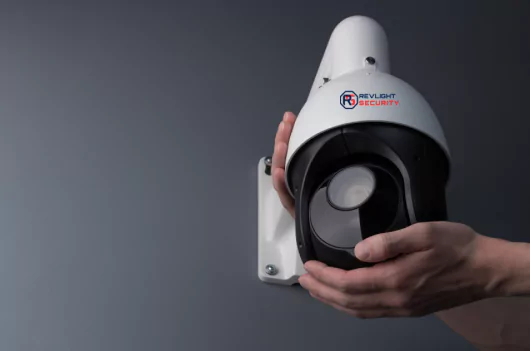
Revlight Security supports marine operators with specialized surveillance and network solutions designed around real operating environments, not generic building-security assumptions. The right investment is a system that remains clear, available, and defensible when the vessel is docking, working offshore, or responding to an incident.
Start with the moments where visibility is currently weakest. Those are usually the places where a properly engineered bridge camera system delivers its strongest return.
🛡️ Secure Your Home or Business Today
Protect your home, office, shop, or business with reliable CCTV security cameras. Explore our range of CCTV cameras and find the right security solution for your needs.
Explore CCTV Cameras ✉️ Email Us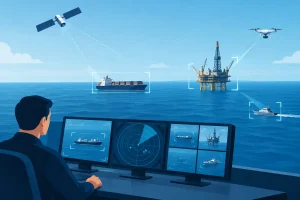


 Singapore :
+65-6708-9302
Singapore :
+65-6708-9302