
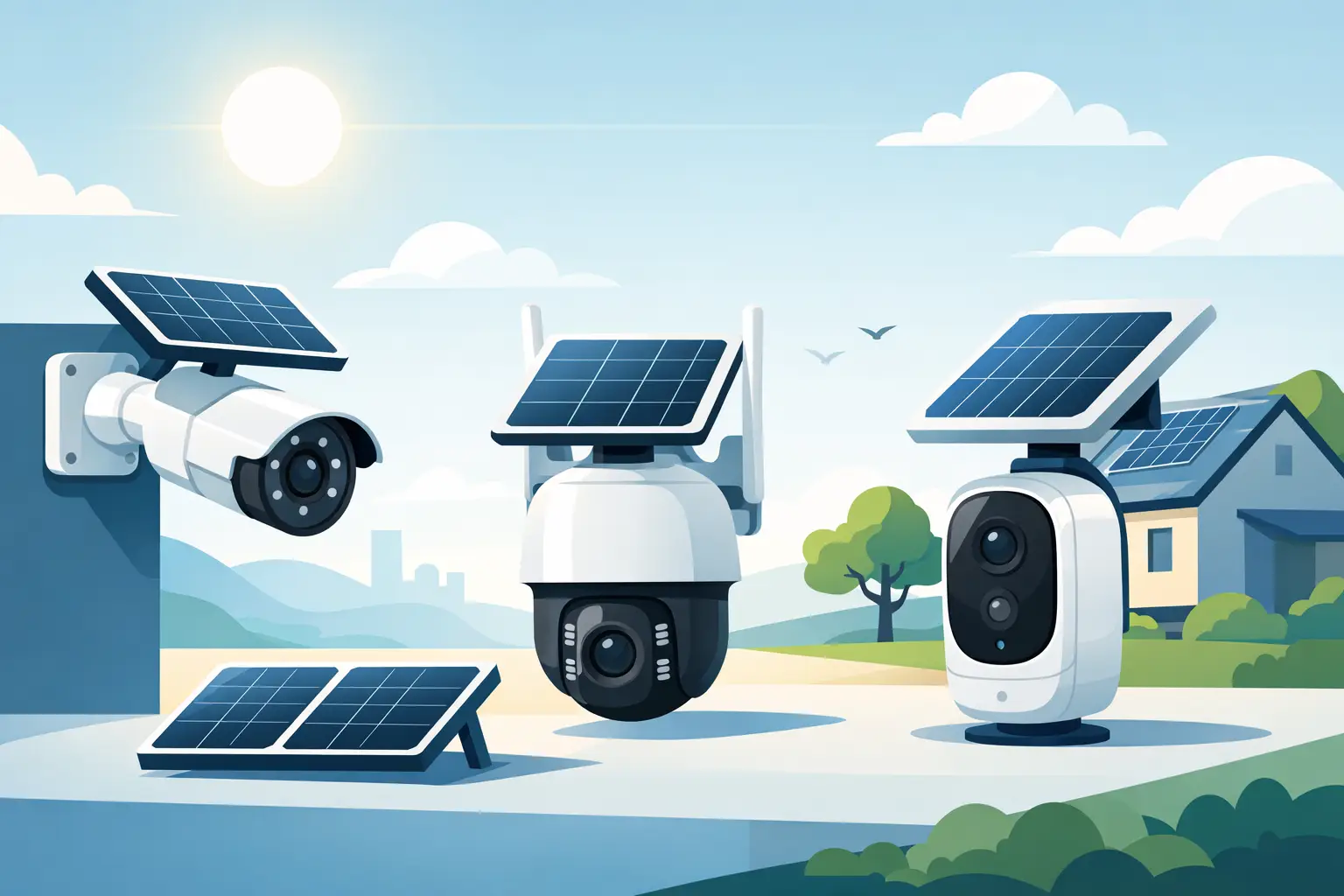
A remote gate loses power after a storm, the nearest outlet is hundreds of feet away, and the site still needs eyes on it before the next shift starts. That is exactly where the best solar powered security cameras earn their place. For industrial yards, marine facilities, energy sites, farms, and large residential perimeters, they solve a practical problem fast – reliable video coverage without trenching, rewiring, or waiting on electrical work.
That said, not every solar camera is built for serious use. Some are designed for light-duty residential monitoring and struggle with low winter sun, weak WiFi, or constant motion traffic. Others are far better suited for remote assets, outbuildings, fenced compounds, parking areas, dock edges, and temporary security deployments. The real buying decision is less about finding one universal winner and more about matching the camera to the site, the power conditions, and the level of risk.
What makes the best solar powered security cameras worth buying
The biggest advantage is deployment speed. A solar-powered unit can often be mounted and operating in a fraction of the time required for a wired camera. For operations managers and procurement teams, that means faster coverage of exposed areas and lower installation costs.
The second advantage is flexibility. When a laydown yard changes, a vessel berth is reconfigured, or a temporary project perimeter needs monitoring, a solar unit can move with the risk. That matters in industrial settings where infrastructure is not always fixed and surveillance needs shift with operations.
But the best systems also have limits. Solar power works well when the camera spends most of its time in standby and records on motion, or when the panel and battery are correctly sized for local weather and activity levels. If you need nonstop 24/7 recording with high bitrates in a low-sun environment, a wired or hybrid power solution may still be the better investment.
Best solar powered security cameras by use case
Best for remote industrial perimeters
For remote perimeters, look for a camera with a large battery, efficient PIR motion triggering, strong night vision, and stable cellular connectivity. WiFi-only models can work on smaller sites, but they become a weak link once the camera sits beyond dependable network coverage.
A good remote perimeter camera should also support local recording and cloud or remote app access. This gives security teams a practical balance between evidence retention and live visibility. In exposed environments, IP66 or higher weather protection is the minimum starting point, not a premium feature.
Best for yards, farms, and equipment storage areas
Large outdoor areas need more than basic motion alerts. You want clear resolution at useful distances, a wide field of view, and enough smart detection to reduce false alarms from vegetation, wildlife, and vehicle headlights.
Pan-tilt solar cameras can be attractive here because they cover more ground with fewer mounting points. The trade-off is that moving parts can mean more wear over time, especially in salty air, blowing dust, or heavy vibration zones. A fixed camera with better optics may outperform a pan-tilt unit in a harsh environment.
Best for marine and coastal deployments
Salt air is unforgiving. A camera that performs well in a suburban backyard can fail early on a dock, vessel, or coastal storage site. Marine-adjacent use calls for tougher housing materials, better sealing, and corrosion-resistant mounts and hardware.
This is where professional buyers need to read past headline features. A solar camera may advertise 2K or 4K video, but if its bracket, seals, or charging system degrade under marine exposure, that resolution advantage will not matter for long. For coastal and offshore-adjacent applications, durability is part of image quality because uptime is part of performance.
Best for residential estates and long driveways
For homes with gates, barns, detached garages, and extended driveways, the best solar powered security cameras offer a strong mix of convenience and coverage. These buyers typically care about app access, two-way audio, motion zones, and simple installation.
In this segment, consumer-friendly brands can be a solid fit, especially where activity is moderate and the owner wants a straightforward setup. The key is not to overspecify. If the camera only needs to watch a gate and send reliable alerts, a stable midrange unit can be a better buy than a feature-heavy model that drains its battery faster.
The features that matter most before you buy
Solar panel size and battery capacity
This is the core of the entire system. A small panel paired with a high-drain camera can underperform quickly in winter, shaded locations, or high-traffic areas. Battery size determines how long the unit can bridge cloudy days, while panel size determines how fast it recovers.
For serious deployments, integrated marketing claims are not enough. Ask how many motion events per day the unit can support, how long it lasts with limited sunlight, and whether the panel angle can be optimized independently from the camera position.
Connectivity – WiFi vs cellular
WiFi models usually cost less to run, but only if the network is already stable where the camera is mounted. In remote compounds, tank farms, dock edges, and utility corridors, cellular is often the more dependable option.
Cellular adds monthly data cost, but it can reduce installation complexity and increase placement freedom. For commercial users, that trade often makes sense. A camera that is easy to install but unreliable on the network is not a cost saving.
Recording options and evidence retention
Local microSD storage is common and useful, but it should not be the only factor in a business purchase. If the camera is stolen or damaged, local-only footage may be lost. Cloud backup or remote server integration adds cost, but it improves resilience.
The right setup depends on the threat profile. For low-risk monitoring, local recording may be enough. For critical assets, fuel storage, hazardous areas, or repeated trespass concerns, stronger evidence retention is worth paying for.
Night performance
Many buyers focus on daytime resolution and overlook what happens after dark. That is a mistake. Night performance depends on sensor quality, IR range, motion handling, and whether spotlight color vision is actually useful for the site.
At a rural gate or industrial access road, infrared may be the smarter choice because it is discreet and power efficient. In a deterrence-focused setting, integrated white light and audible warning features can add value, but they also consume more power and may trigger complaints in occupied areas.
Where buyers get it wrong
The most common mistake is assuming solar means maintenance-free. It does not. Panels need clean exposure, batteries age, mounts loosen, firmware needs updates, and changing site conditions can affect charging performance.
Another mistake is buying based purely on resolution. A 4K camera with weak power management, poor detection logic, and unreliable connectivity can deliver worse real-world security than a well-built 2K model. Clarity matters, but uptime and alert accuracy matter more.
There is also a tendency to underestimate the environment. Heat, wind, salt, dust, and vibration are not secondary details in industrial and marine settings. They determine service life. Buyers who treat solar cameras as generic consumer electronics often end up replacing them too early.
How to choose the right model for your site
Start with the scene, not the spec sheet. Define what the camera must accomplish. Is it there to verify vehicle entry, watch a fuel area, monitor a remote fence line, or provide general awareness around a temporary work zone? The answer changes the right product choice.
Then assess sunlight realistically. Full-sun marketing assumptions rarely match real installations. A pole near trees, a wall under an overhang, or a north-facing structure can all reduce charging performance. If sunlight is inconsistent, choose a camera with a larger battery reserve or consider a hybrid setup.
Next, decide how you will retrieve footage and alerts. If the site is staffed and connected, WiFi may be enough. If it is isolated, a cellular model with strong app management is usually the better path. For buyers managing multiple assets, centralized visibility is often worth more than lower hardware cost.
Finally, match the housing and mount quality to the environment. This point is easy to overlook and expensive to get wrong. In demanding sectors, the camera is only as reliable as the full installation package – panel, bracket, seals, cable protection, and communication path.
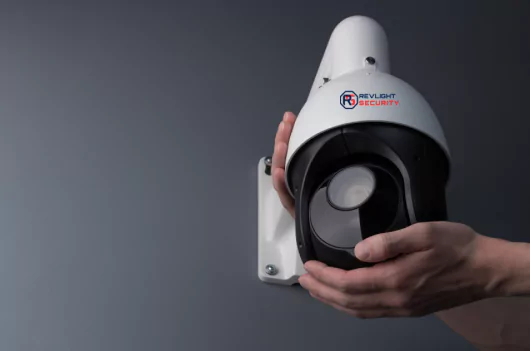
For industrial buyers, the strongest value usually comes from selecting a purpose-fit system rather than the cheapest all-in-one kit. That is where specialist suppliers such as Revlight Security stand apart, especially when the application reaches beyond simple home monitoring and into serious asset protection.
A practical view of value
The best solar powered security cameras are not automatically the most expensive, nor are they the ones with the longest feature list. The best choice is the one that delivers dependable footage, consistent alerts, and stable power in your actual operating conditions.
If your site is remote, exposed, or operationally critical, buy with discipline. Prioritize power balance, environmental durability, and communication reliability before lifestyle features. A solar camera should reduce installation burden without creating new blind spots. When it is selected correctly, it does exactly that – and it keeps working where wired coverage is difficult, slow, or simply not cost-effective.
🛡️ Secure Your Home or Business Today
Protect your home, office, shop, or business with reliable CCTV security cameras. Explore our range of CCTV cameras and find the right security solution for your needs.
Explore CCTV Cameras ✉️ Email Us

 Singapore :
+65-6708-9302
Singapore :
+65-6708-9302